
What is Agropoli?
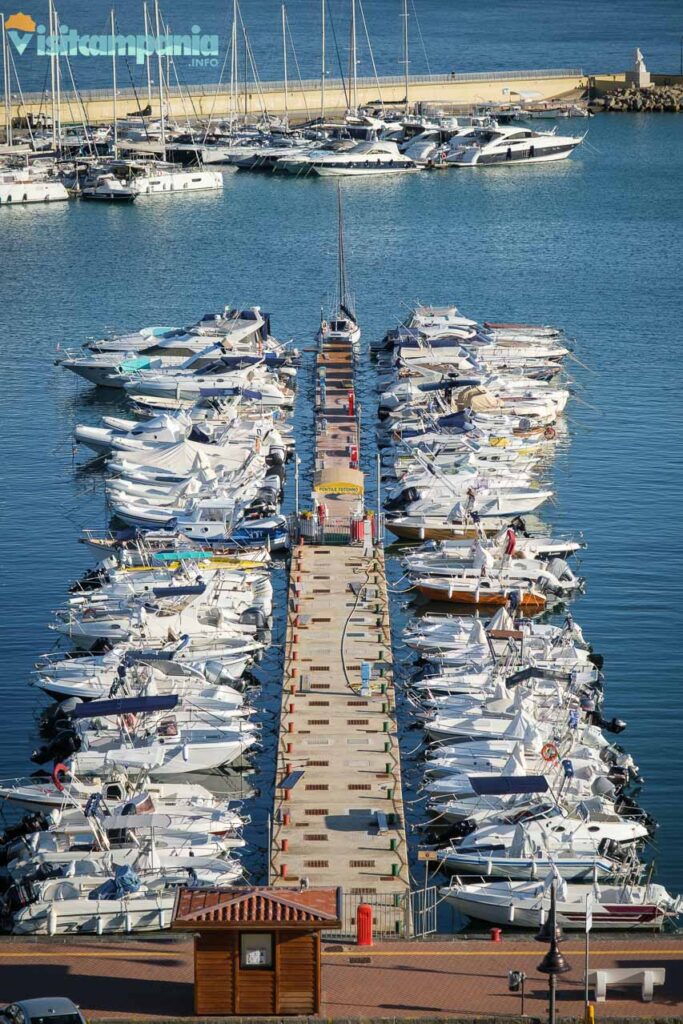
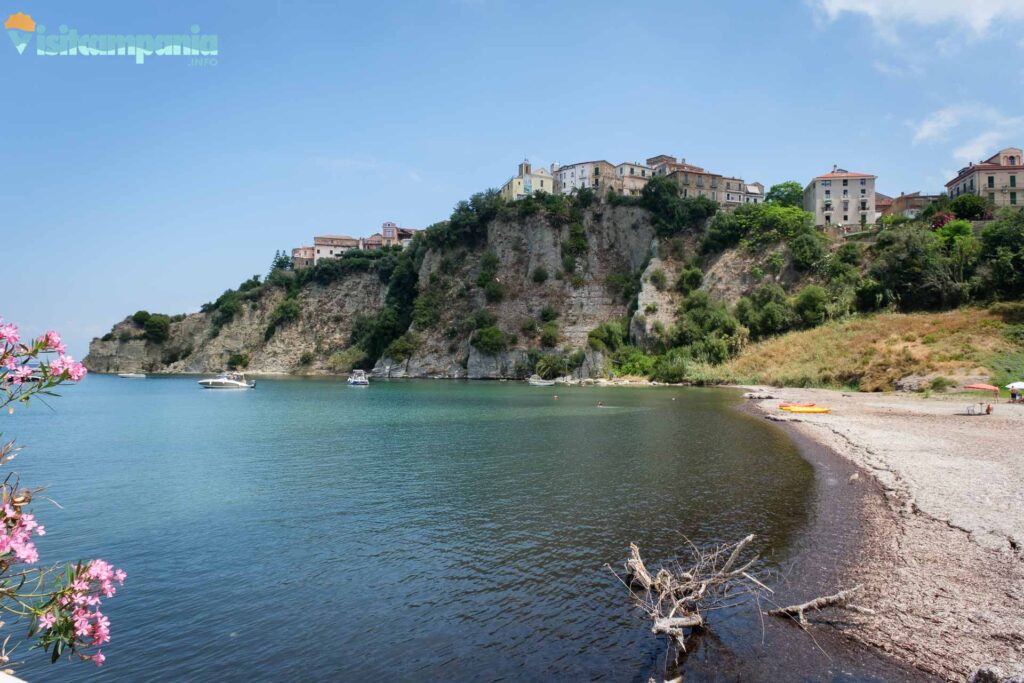
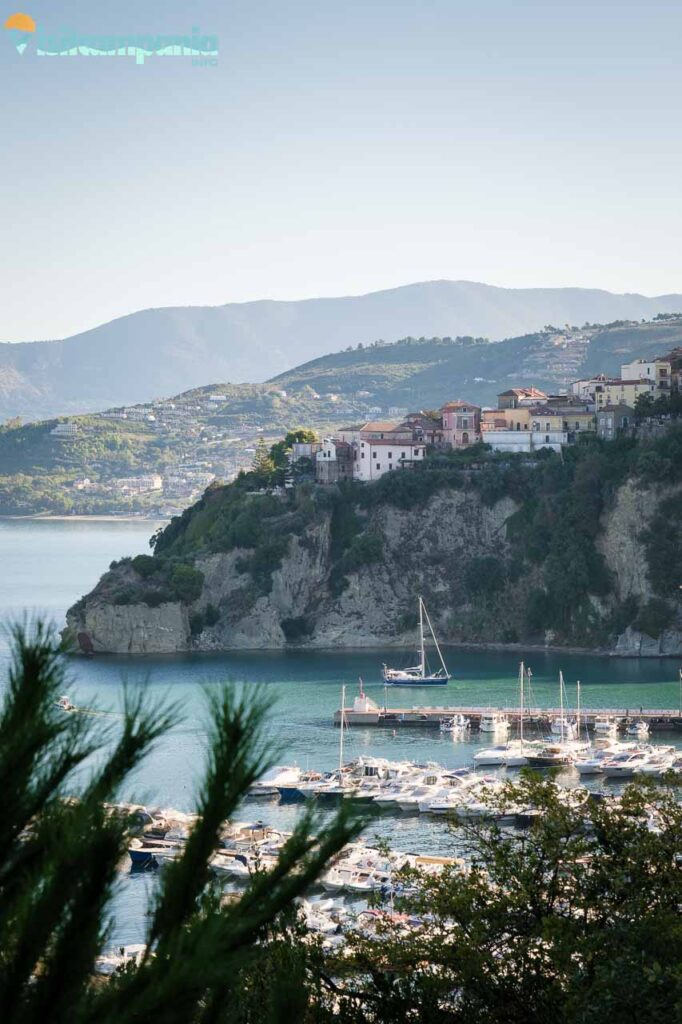
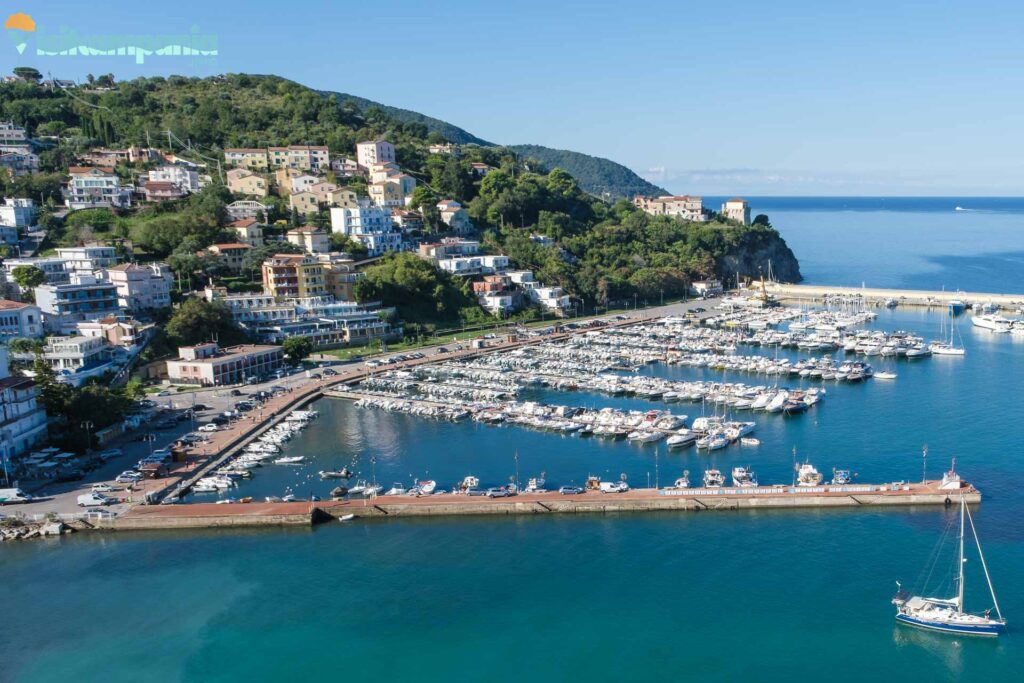
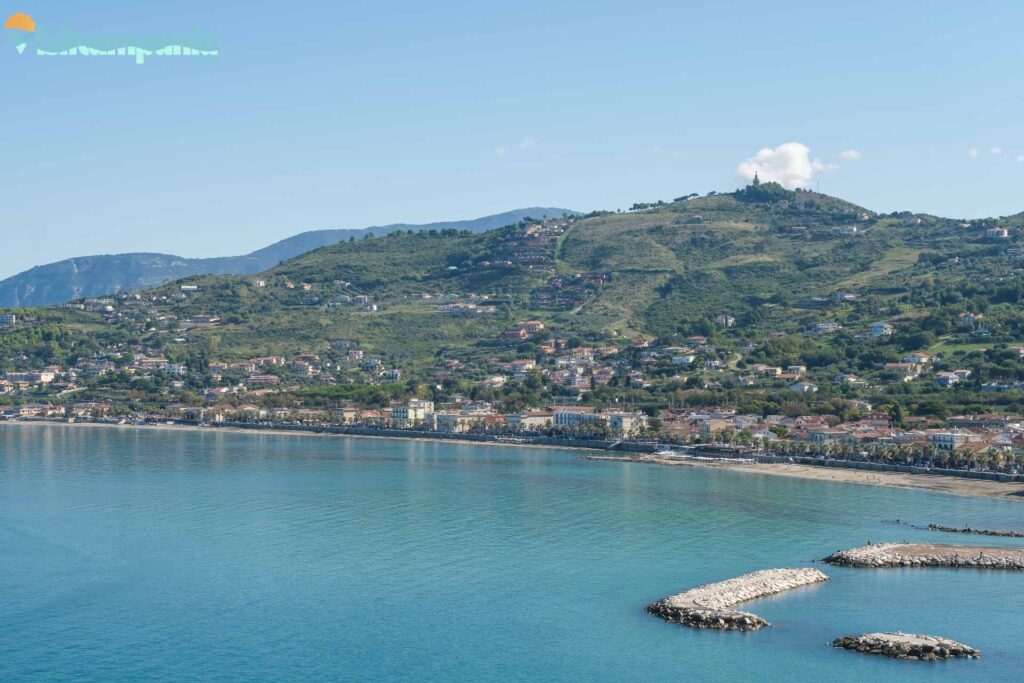
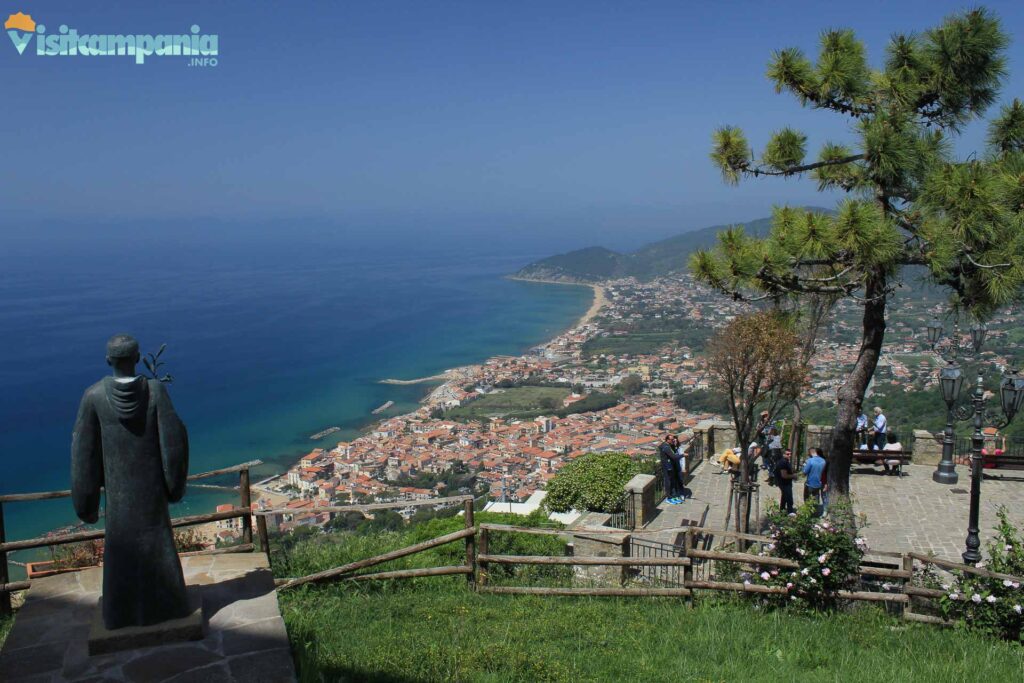
Agropoli, a town of over 21,000 inhabitants in the province of Salerno , is one of the most fascinating destinations in Cilento . It stands on a promontory overlooking the sea , in the heart of the Cilento, Vallo di Diano and Alburni National Park . Its strategic location, at the southern end of the Gulf of Salerno, makes it the ideal gateway to one of the most picturesque stretches of coast in Campania .
The city harmoniously combines history, sea, and nature : on one side, the medieval village with its narrow streets and walls, on the other, the crystal-clear sea and golden beaches that attract visitors from all over Italy every summer. Agropoli has been awarded the Blue Flag for over 25 consecutive years .
Background
The first traces of human settlement date back to the Neolithic, but it was with the Greeks that the area gained importance due to its proximity to the colony of Poseidonia, now Paestum. The name itself, derived from “Acropolis,” testifies to the fortified nature of the first settlement, built in a dominant position to control the sea and defend against invaders.
During the Roman era , Agropoli became a small commercial port known as Ercula, which prospered until Saracen raids forced its inhabitants to take refuge in the hills. In the following centuries, the city came under the rule of the Byzantines , the Normans , the Angevins , and the Aragonese , who fortified its castle and strengthened its coastal defenses.
During the modern age, Agropoli remained a fiefdom belonging to various noble families, including the Sanseverinos and the Sanfelices . Only with the abolition of the feudal system in the 19th century was the city able to develop freely beyond its medieval walls, initiating a process of expansion towards the sea.
Today Agropoli preserves its historic heart intact : a hilltop village that recounts two thousand years of history, from its Greek origins to medieval dominations, up to the modern face of a city that continues to look to the sea as its lifeblood.
What to see in Agropoli
The ancient village and the Angevin-Aragonese Castle
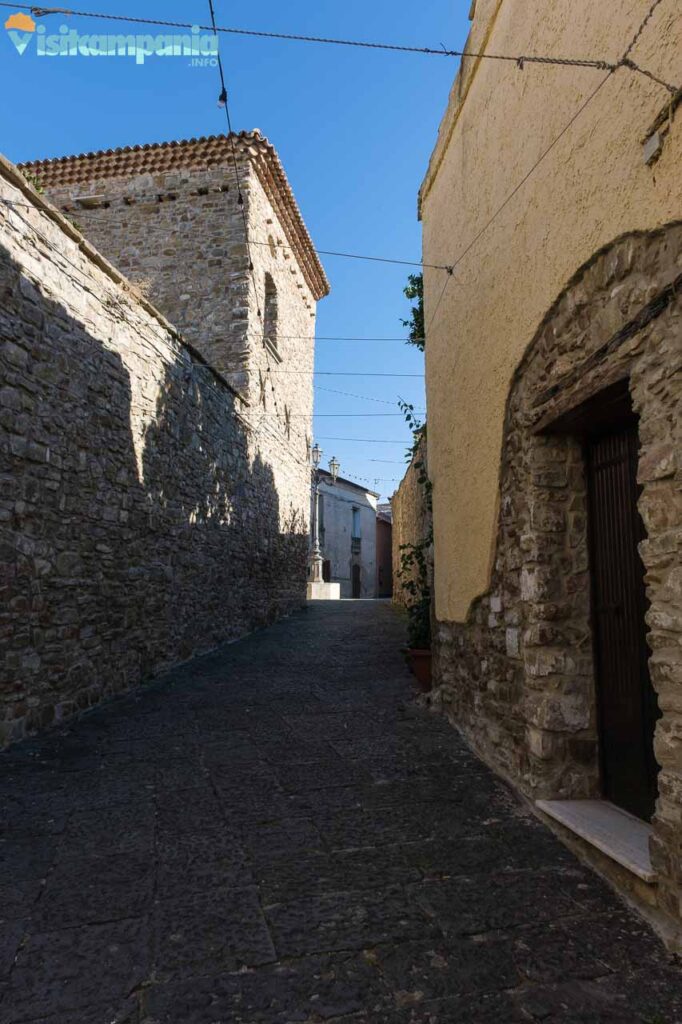
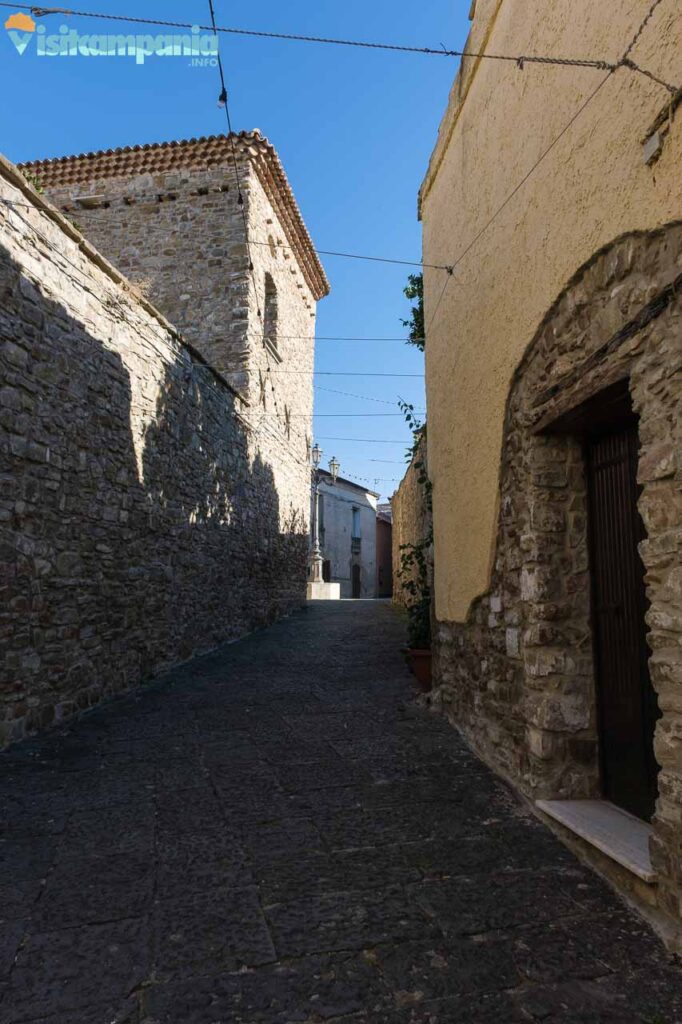
The heart of Agropoli is its old town , a labyrinth of narrow streets that climb toward the top of the promontory. You enter via the scenic Salita degli Scaloni , an evocative stairway that leads to the Porta Bizantina , the entrance to the upper town.
Once past the gate, you’ll lose yourself in a maze of alleys punctuated by unexpected squares until you reach the top of the hill where the Angevin-Aragonese Castle stands, the undisputed symbol of Agropoli and a testament to its long history. From its walls, you can enjoy spectacular views of the sea and the Gulf of Salerno.
The Angevin-Aragonese Castle of Agropoli
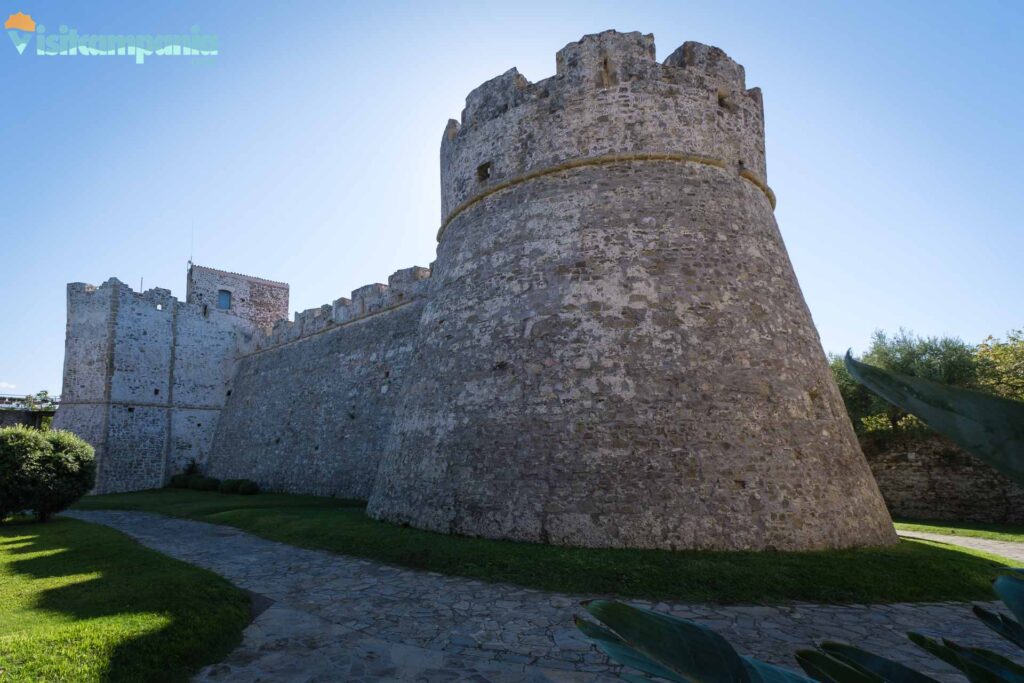
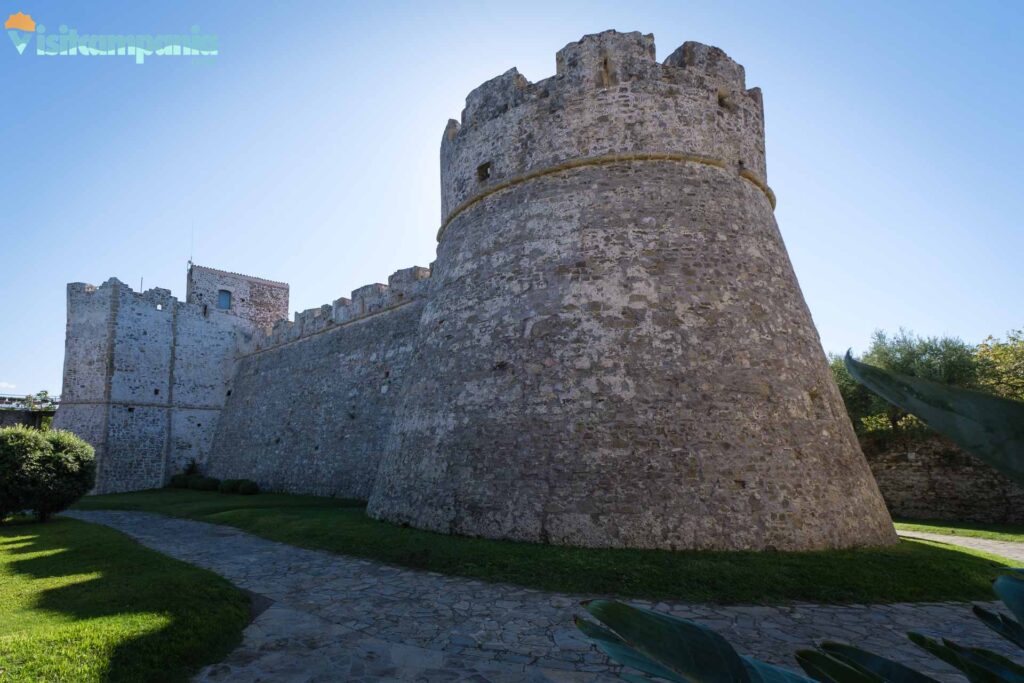
The origins of the Angevin-Aragonese Castle date back to the Byzantine era , when a first watchtower was built to defend the coast from raids. In the following centuries, under the Normans, Swabians, and Aragonese, the structure was expanded until it assumed its current appearance : a mighty triangular fortress, with three circular towers at the corners and a large internal courtyard that once housed the troops and warehouses.
The castle, surrounded by a moat that is partially visible today, served for centuries as a strategic point for controlling the sea and the village below. From its walls, you can enjoy a spectacular view of the Gulf of Salerno and the Cilento coast , one of the most evocative panoramas in the entire area.
During the summer, it hosts events, exhibitions, and outdoor shows that bring the atmosphere of the ancient village even more alive.
The Church of Our Lady of Constantinople in Agropoli
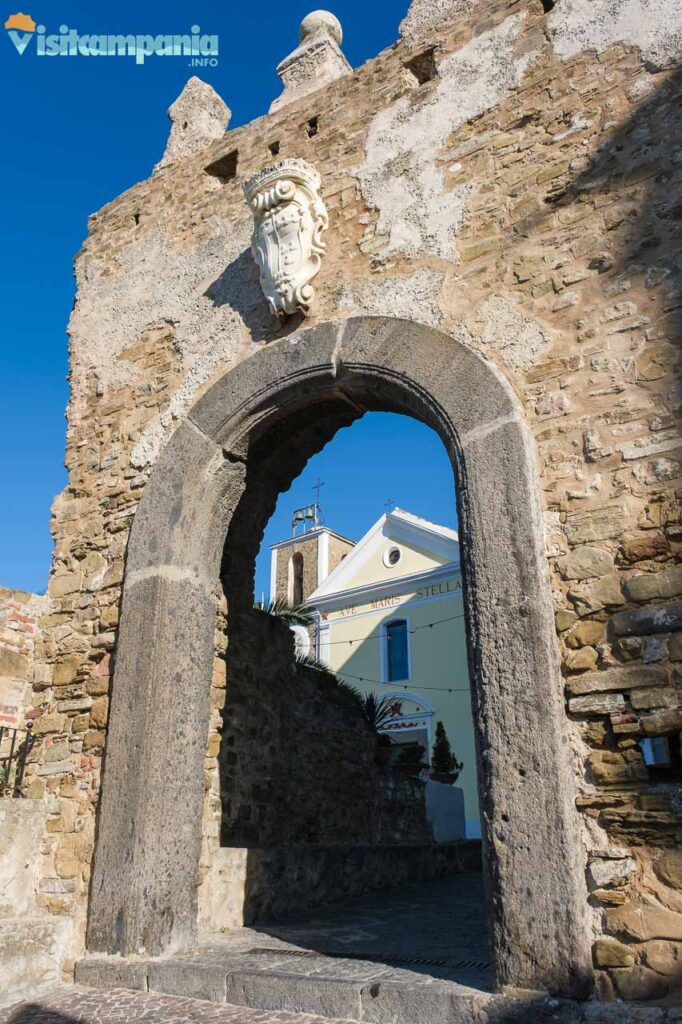
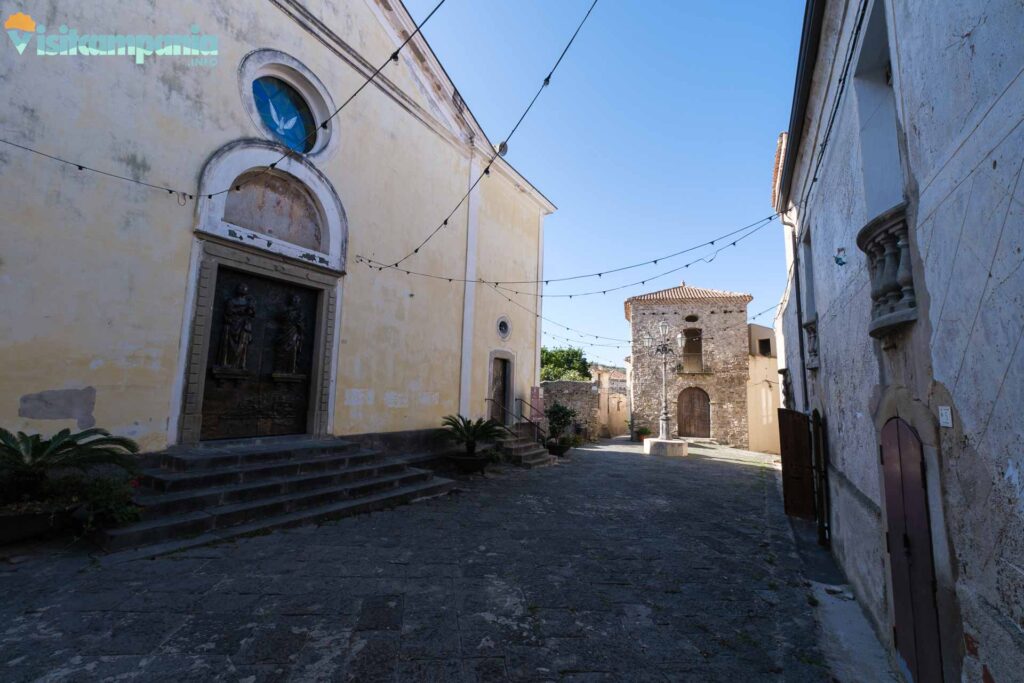
Perched on the promontory overlooking the port, just beyond the Byzantine Gate , the Church of the Madonna di Costantinopoli is one of Agropoli’s most iconic landmarks. Its simple, luminous façade, surmounted by the inscription Ave Stella Maris , welcomes those ascending to the old town.
The church’s origins date back to the 16th century , when a local brotherhood promoted its construction in honor of the Madonna, protector of fishermen and sailors. The single-nave structure houses a wooden statue of the Virgin of Constantinople , of Byzantine inspiration, with the Child Jesus held in her left arm and a tender gaze directed toward the faithful.
Numerous popular legends surround the sanctuary. The best-known tells of the statue of the Madonna being found in the sea by fishermen after a storm, and has since become a symbol of protection for those who live by the sea. For centuries, on July 24th , the city has renewed this connection with an evocative procession by land and sea , featuring songs, lights, and decorated boats that accompany the sacred effigy along the coast.
The Church of Saints Peter and Paul in Agropoli
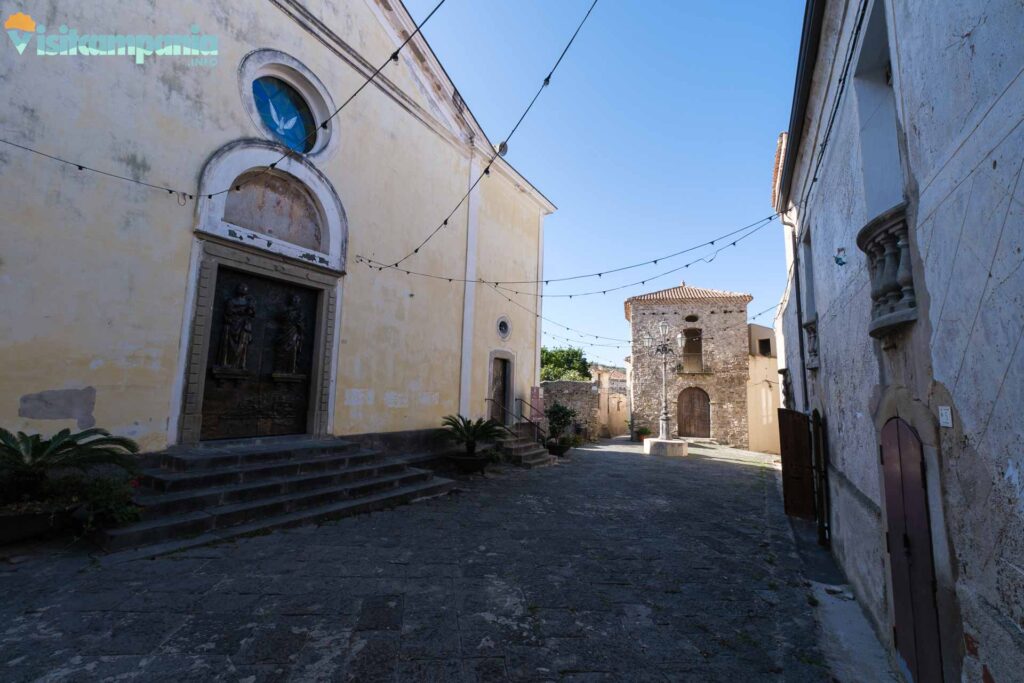
In the heart of the ancient village of Agropoli , a few steps from the Angevin-Aragonese Castle, stands the Church of Saints Peter and Paul, the main religious building in the city and a point of reference for the local community.
Its origins are very ancient : the first evidence dates back to the 6th century , when a letter from Pope Gregory the Great mentions a bishop in Agropoli and devotion to the two apostles. The current building was likely constructed on an ancient early Christian place of worship or on Roman ruins.
Over the centuries, the church has been remodeled several times , finally taking on its current appearance, with a single nave and a simple yet elegant interior . Inside, there’s an intimate and cozy atmosphere, enhanced by a floor with transparent inserts that allow one to observe archaeological finds beneath, such as ancient walls and columns.
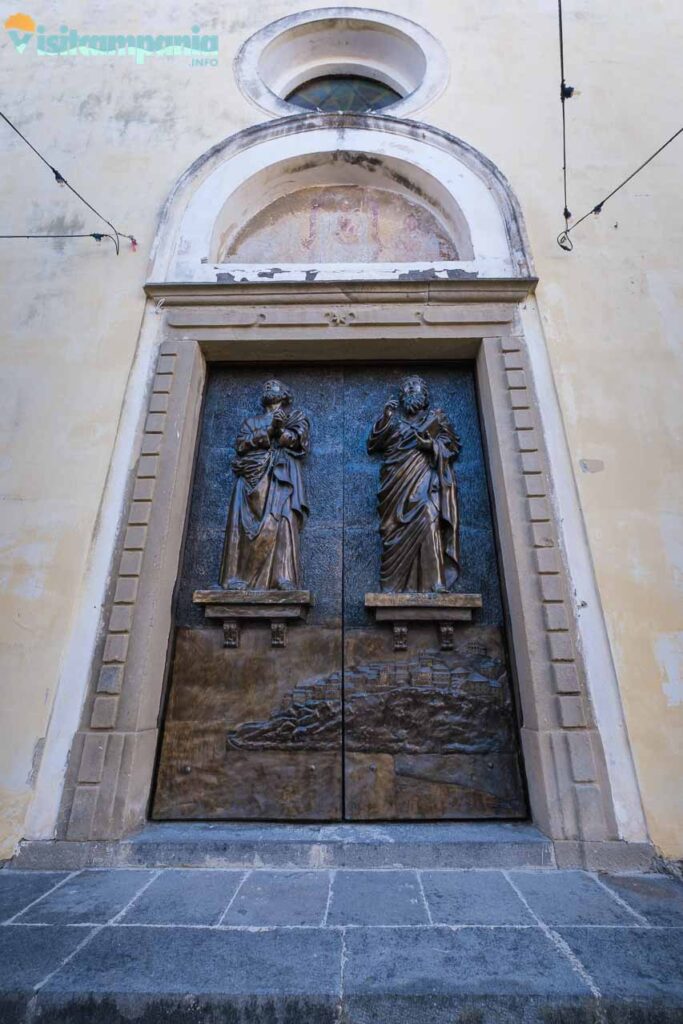
Among the most beautiful features are the bronze portal , decorated with bas-reliefs depicting the titular saints, and the marble high altar . Every year, on June 29th, the church becomes the center of the patronal celebrations in honor of Saints Peter and Paul, with processions and celebrations that enliven the entire village.
The Civic Palace of the Arts of Agropoli
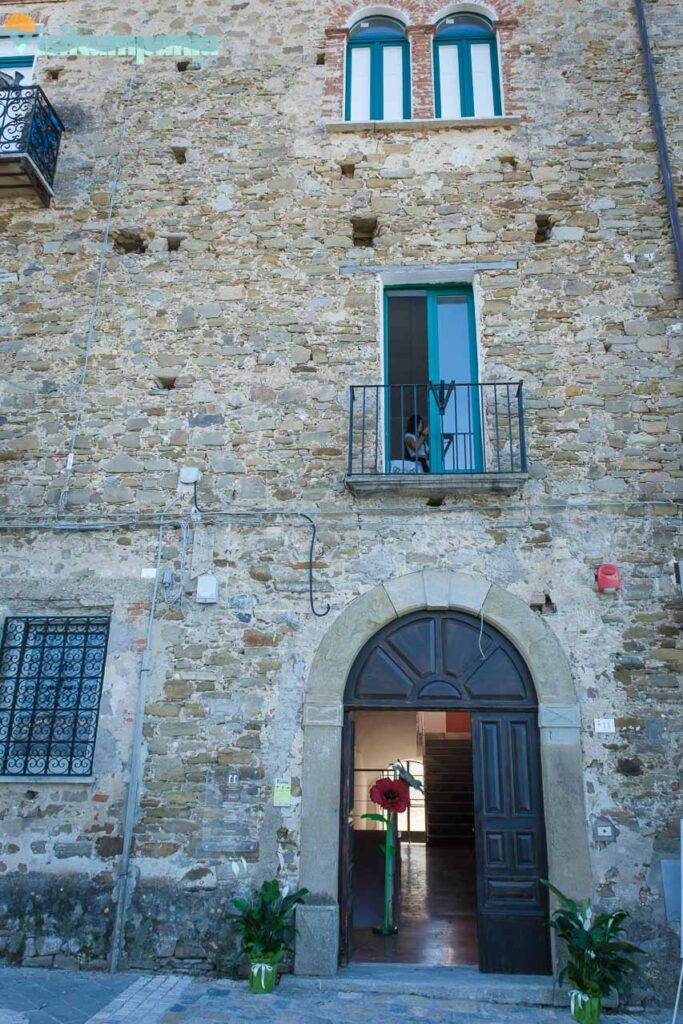
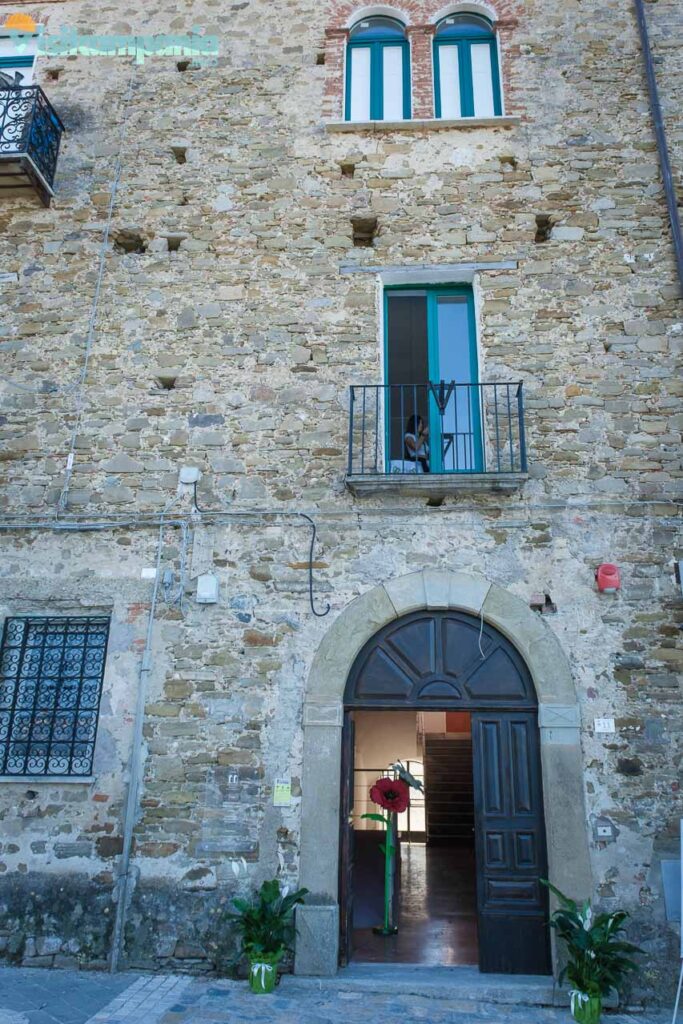
A short distance from the port, is the Palazzo Civico delle Arti , built at the end of the 19th century as an elegant private residence of the Cirota family.
The ground floor houses the Municipal Archaeological Museum , which displays finds from the surrounding area: ceramics, tools, and artifacts that tell the story of daily life in ancient Ercula, a Roman settlement located near the mouth of the Testene River. The first floor is dedicated to contemporary art, with periodically changing temporary exhibitions of painting, sculpture, and photography featuring local and national artists. Finally, the second floor houses the municipal library .
The building also hosts events, meetings, and cultural festivals , making it a vibrant and vibrant place.
The beaches and the sea
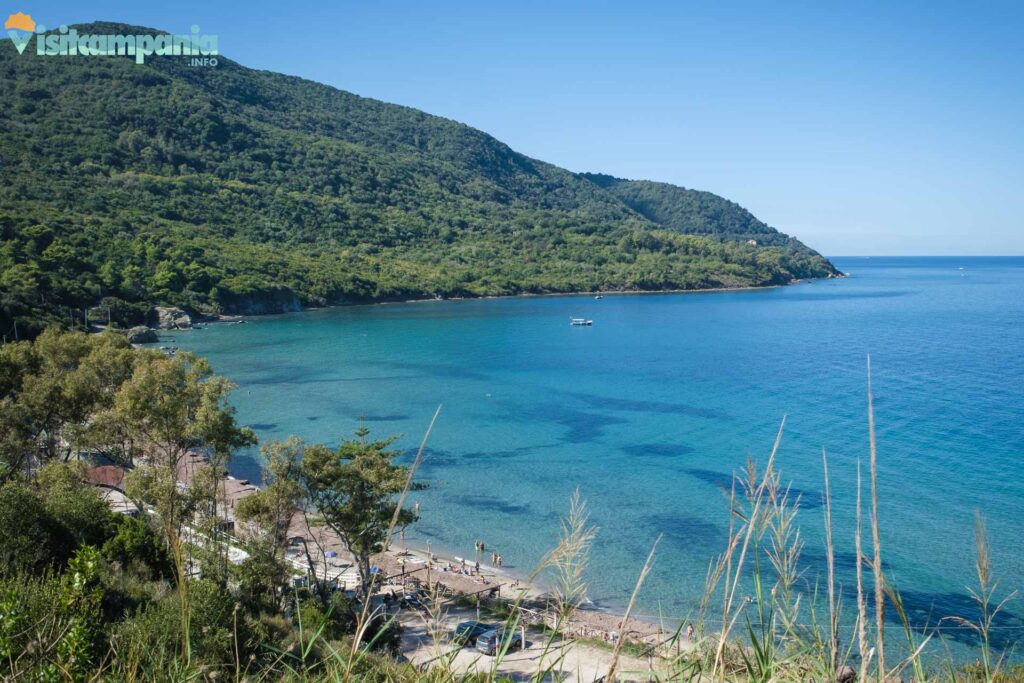
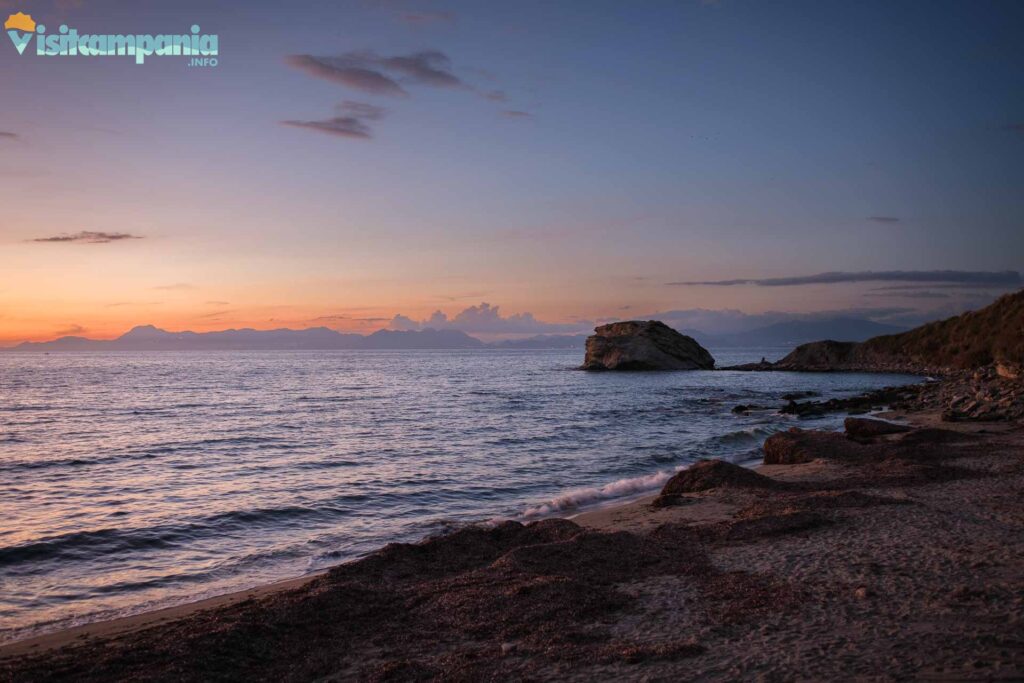
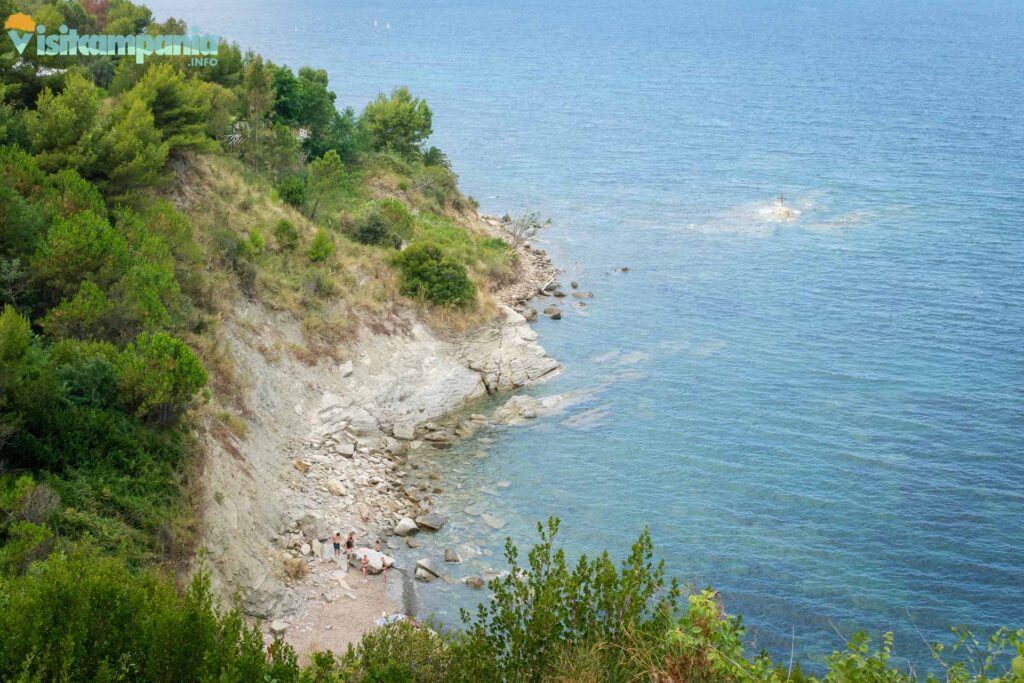
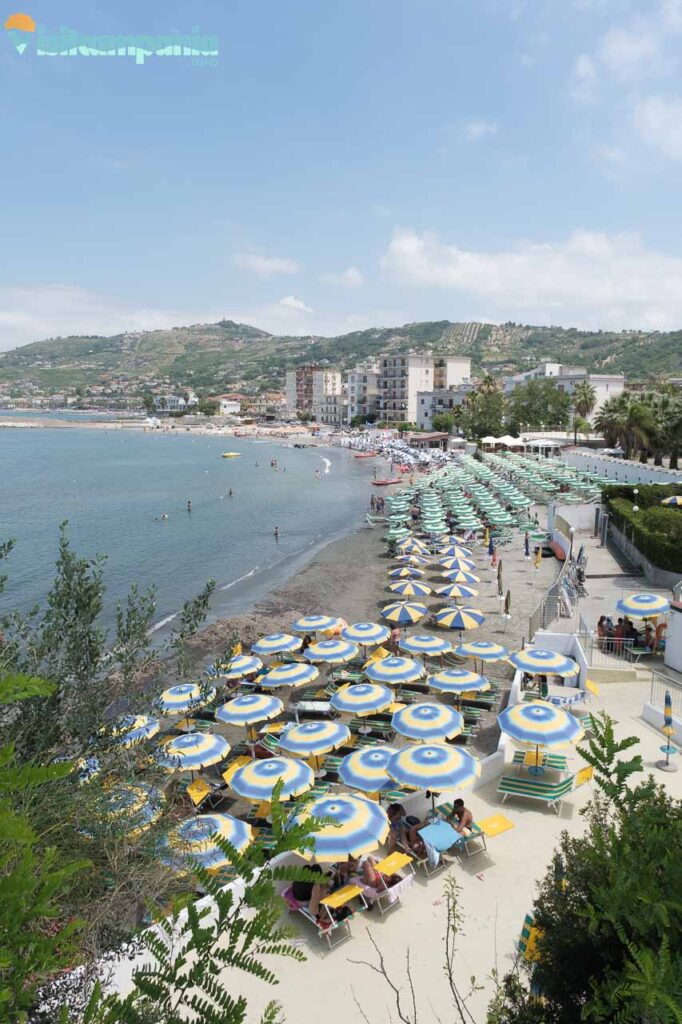
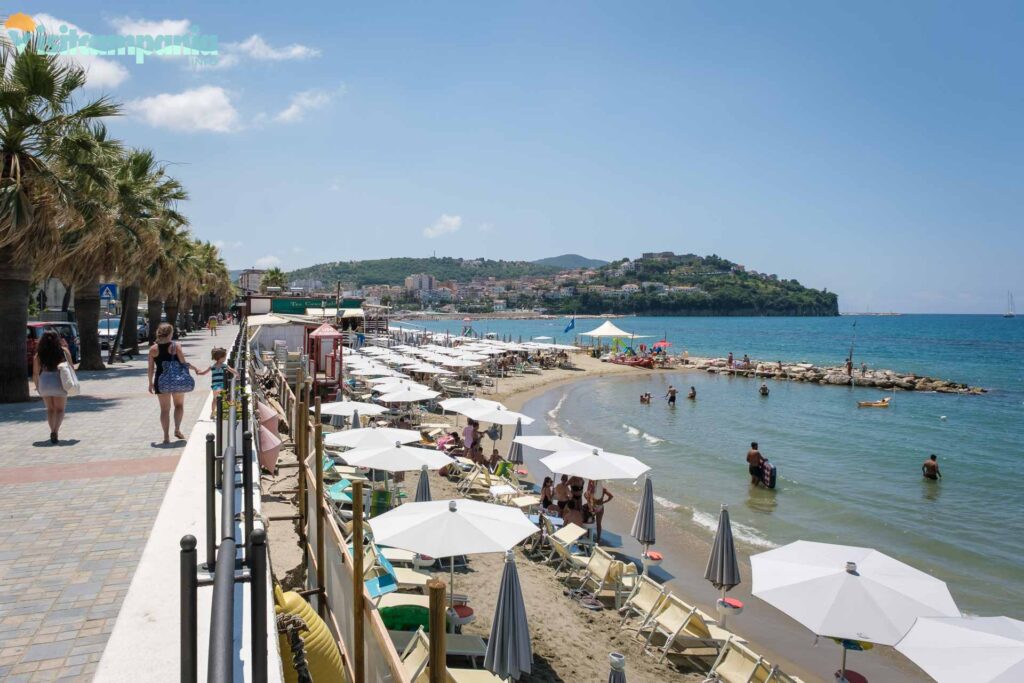
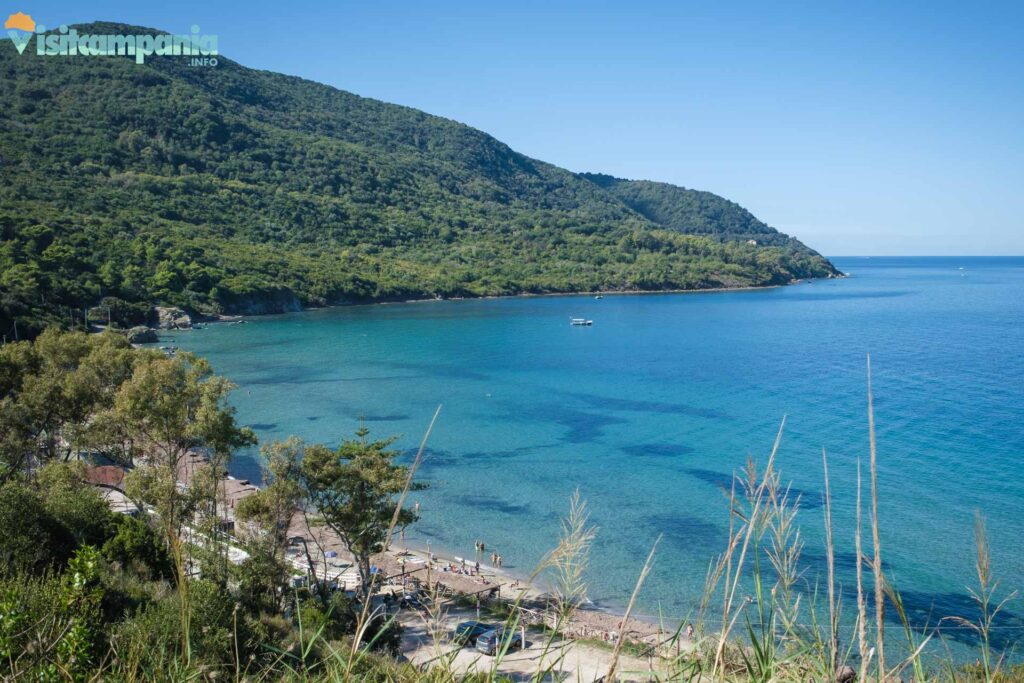
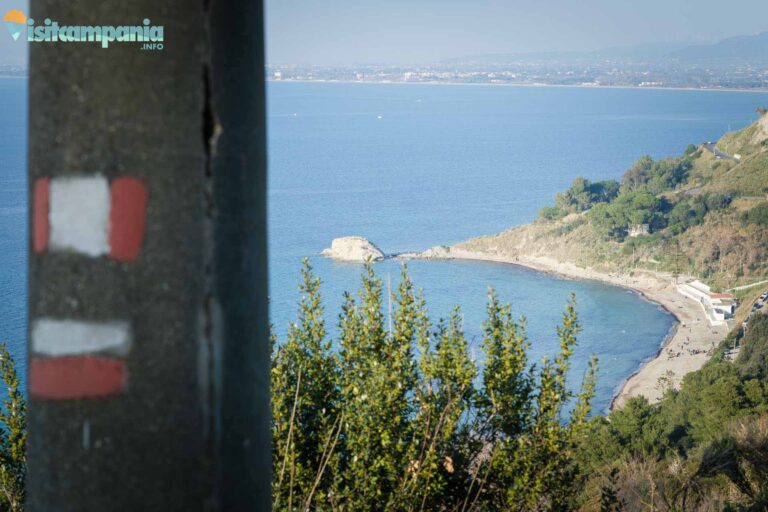
Agropoli is synonymous with clear seas and enchanting bays , awarded the coveted Blue Flag for over 25 years . The most famous beach is Trentova , a stretch of pale sand surrounded by cliffs and Mediterranean scrub. Located south of town, it is about two kilometers from the port and is easily accessible on foot or by car. According to legend, its name derives from a clutch of thirty-eight eggs found in a sea cave. The water here is crystal clear, perfect for swimming and snorkeling, and the view is among the most photographed in Cilento.
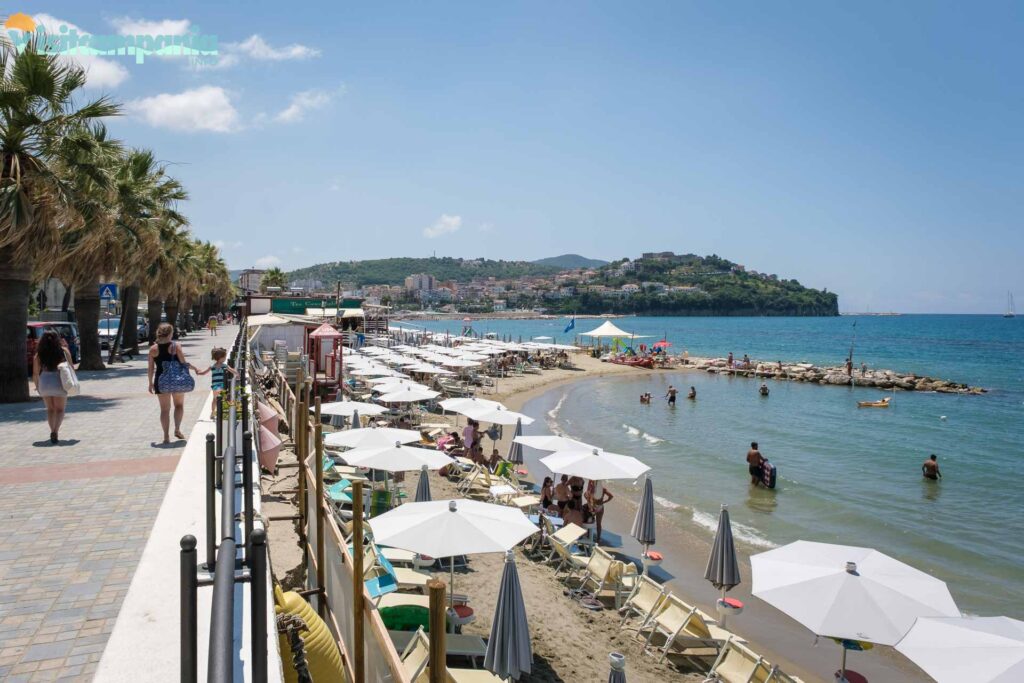
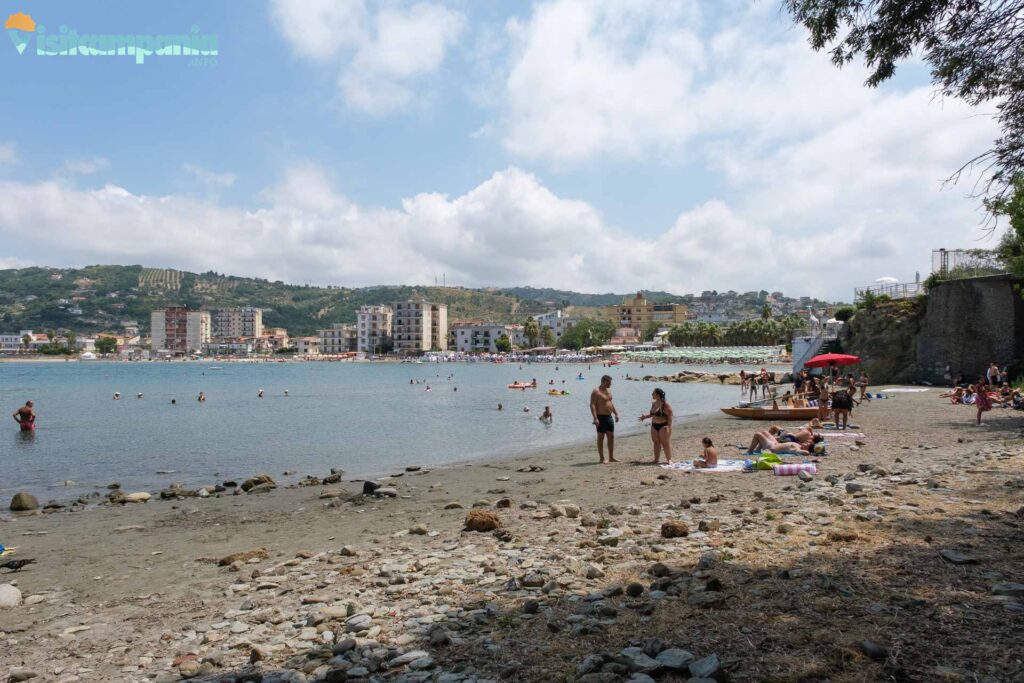
Lungomare San Marco is home to a large, well-equipped city beach, ideal for those who prefer to stay close to the city center and enjoy a relaxing day at restaurants and beach clubs. For those who prefer more secluded spots, San Francesco beach and the small Licina cove offer a more intimate and wild atmosphere. Don’t miss a boat trip along the coast to discover the sea caves, sea stacks, and the evocative Elephant Cave , with its rock resembling the profile of the great elephant.
What to do in Agropoli
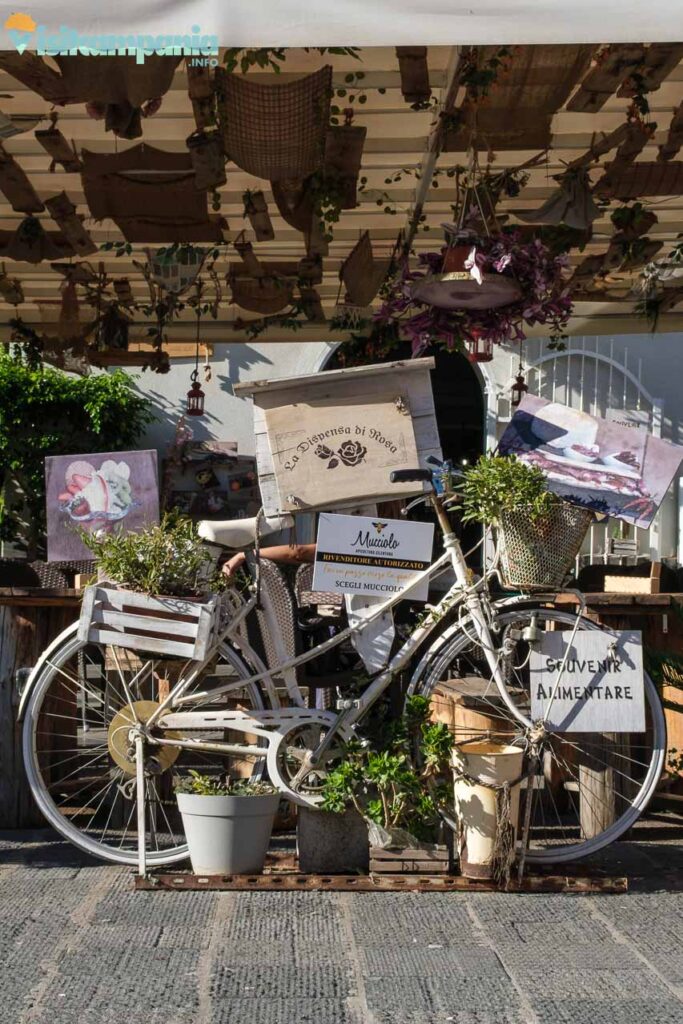
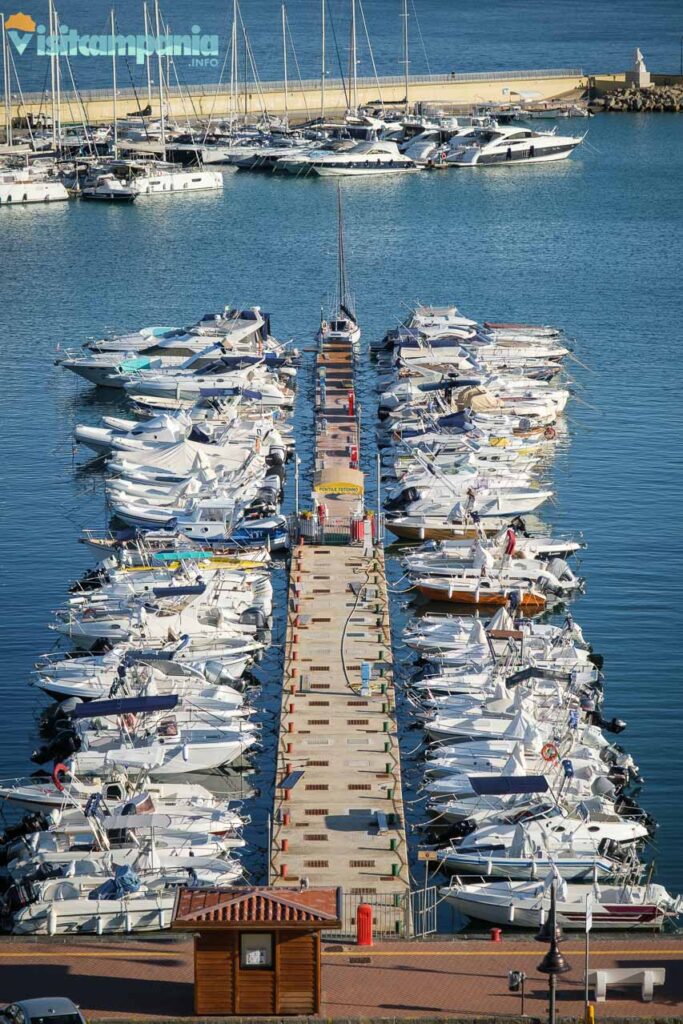
Agropoli is more than just sea and history: it’s a lively and welcoming city , perfect for those who love walking, sports, or authentic experiences. Boat excursions and sunset tours depart from the marina , ideal for admiring the coast from a different perspective. The waterfront , lively until late at night, is the perfect spot for a romantic stroll or an aperitif overlooking the sea.
During the summer, the Castle hosts events, shows, and concerts that liven up the Cilento nights. In the restaurants and trattorias in the center, you can enjoy fresh seafood, handmade fusilli, marinated anchovies, and the typical “cuoppo” of mixed fried fish , all washed down with a fine local wine.
Excursions
Agropoli is an excellent base for exploring the rich surrounding area .
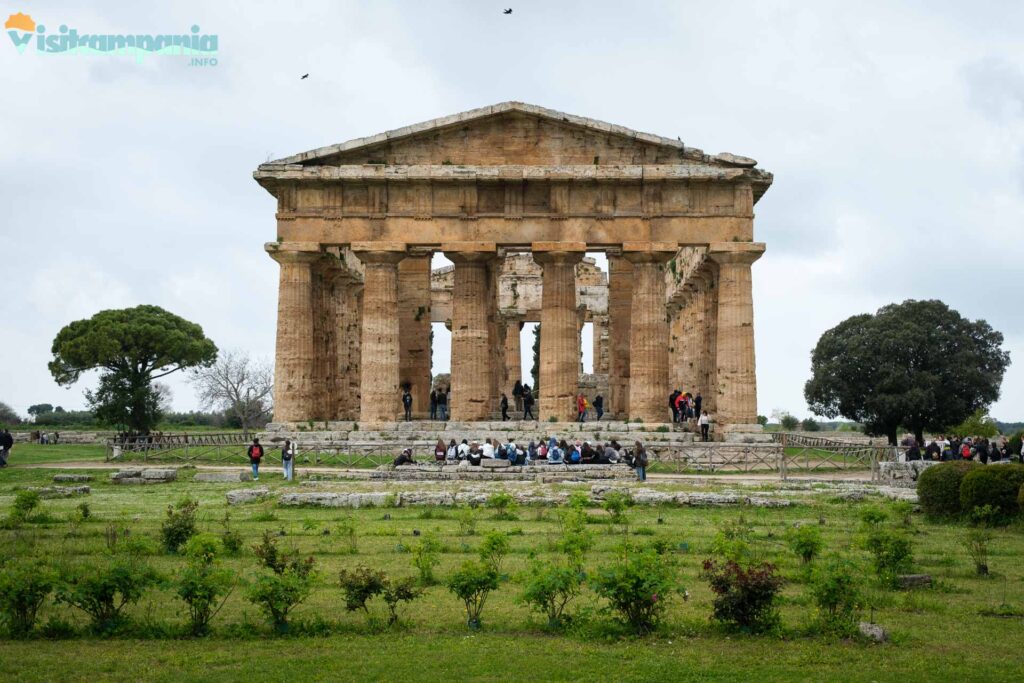
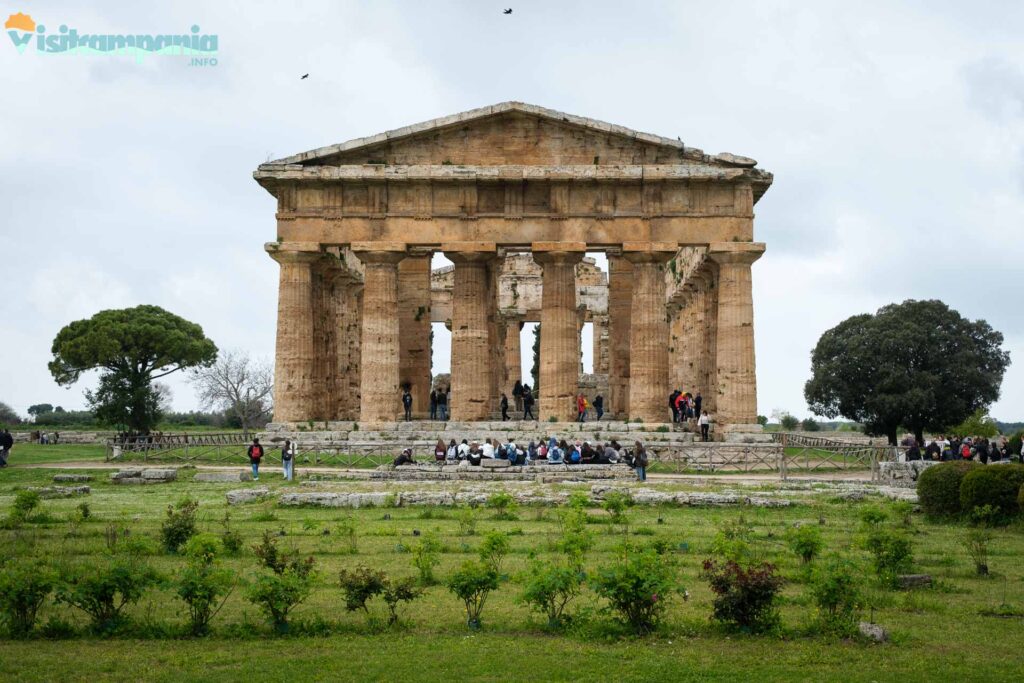
Just 11 km away you can visit the Paestum Archaeological Park (a UNESCO World Heritage Site), while another marvel of the past, the Velia Archaeological Park , also a UNESCO World Heritage Site, is less than 40 km away. About 110 km separate Agropoli from the Certosa di Padula, also a UNESCO World Heritage Site, for a lovely day trip that can be enhanced with a visit to the evocative Pertosa-Auletta Caves (40 km north of Padula, right in the direction of Agropoli).
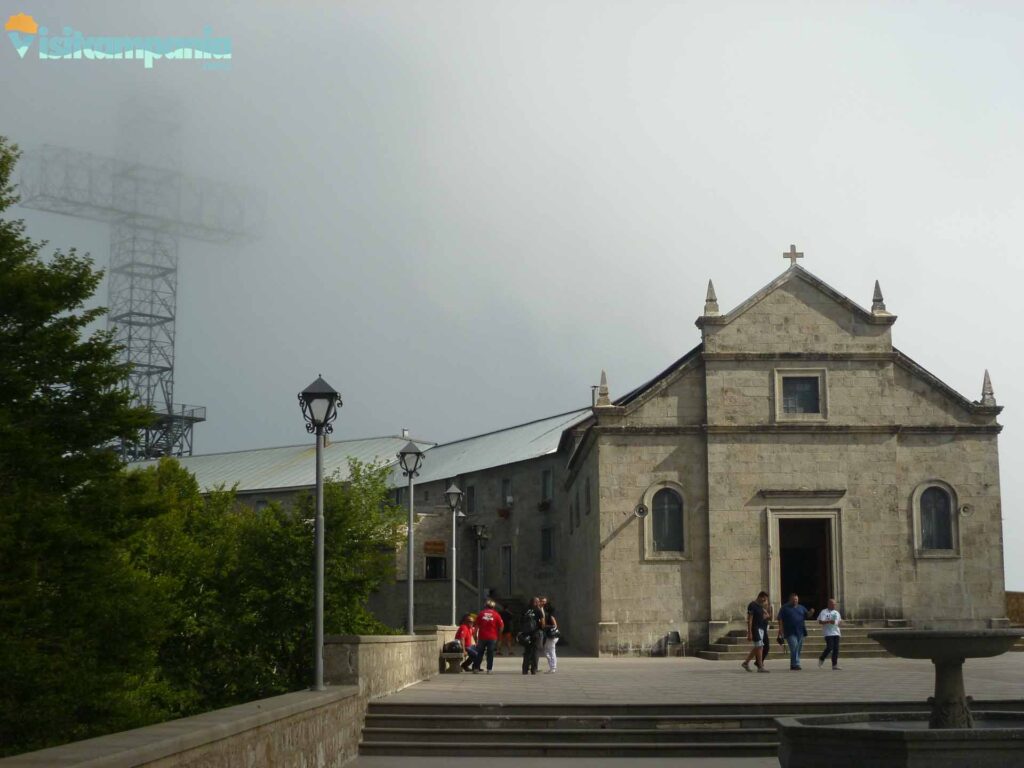
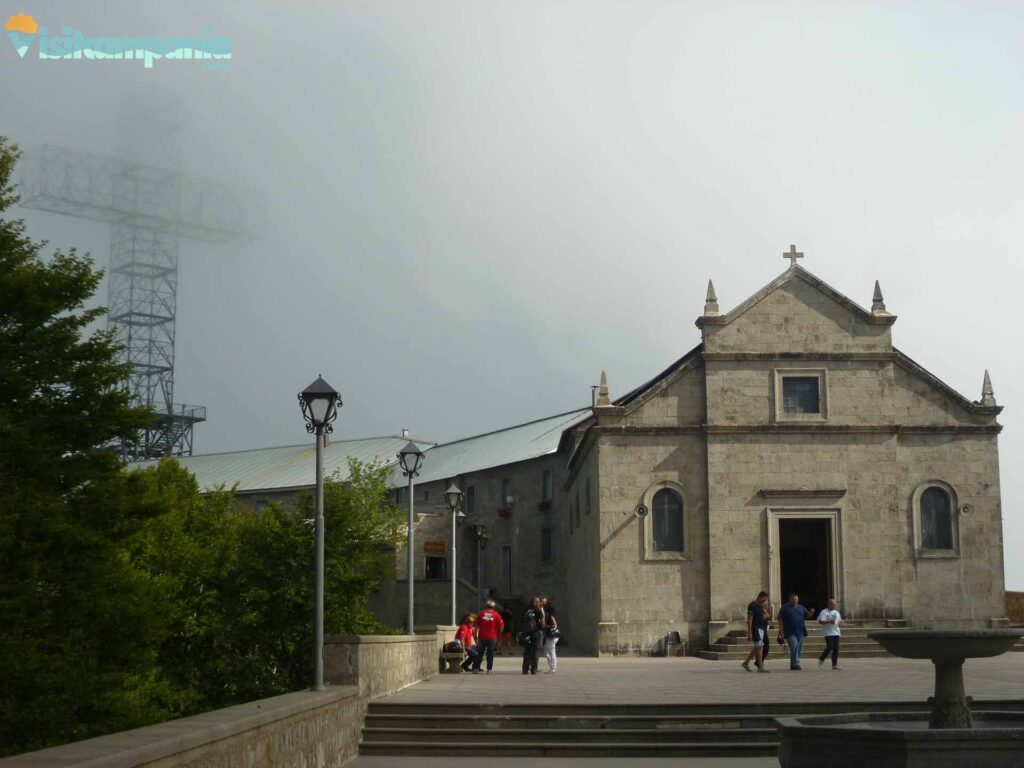
Numerous and fascinating are the many possible excursions in the mountainous area of the Cilento, Vallo di Diano and Alburni National Park ( Sanctuary of the Madonna del Monte Sacro Gelbison 50 km, ghost town of Roscigno Vecchio 55 km, Gian Battista Vico’s house in Vatolla 12 km, Auso River waterfall in Sant’Angelo a Fasanella 57 km, just to give a few examples).
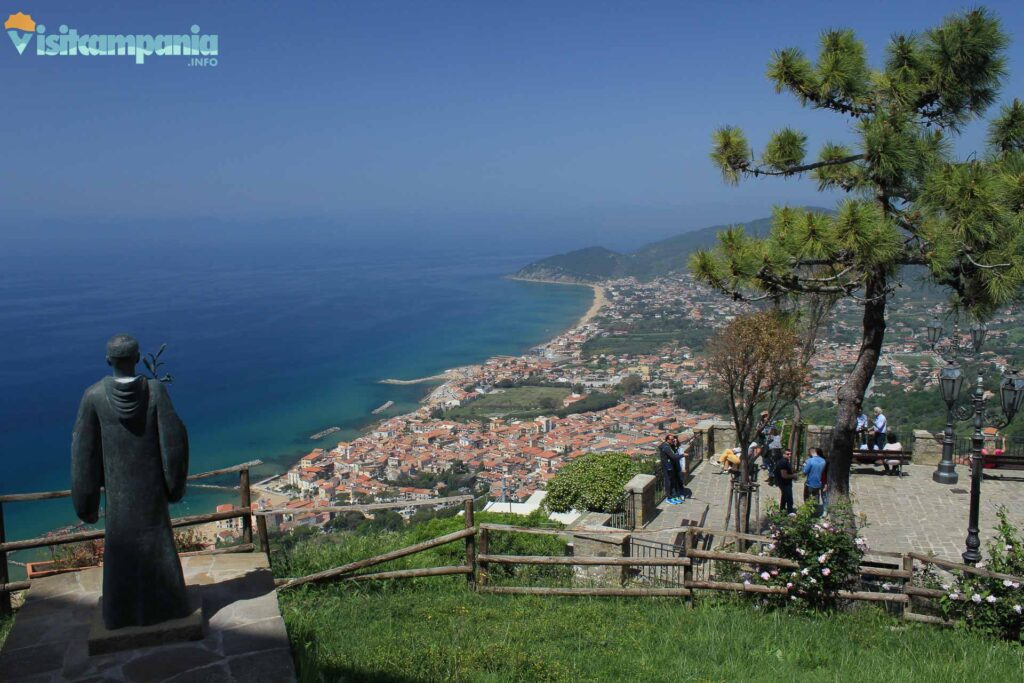
Finally, continuing south along the coastal road, you can come across many splendid seaside resorts and a rich variety of beaches to suit all tastes ( Punta Licosa 19 km, Acciaroli 34 km, Pioppi 37 km, Marina di Ascea 37 km and many others that I invite you to discover for yourself).
When to visit
The best time to visit the city is from May to September , when the weather is warm and the days are long. However, spring and early autumn also offer a pleasant atmosphere, with mild temperatures and a more leisurely pace.