
What is Capaccio Paestum?
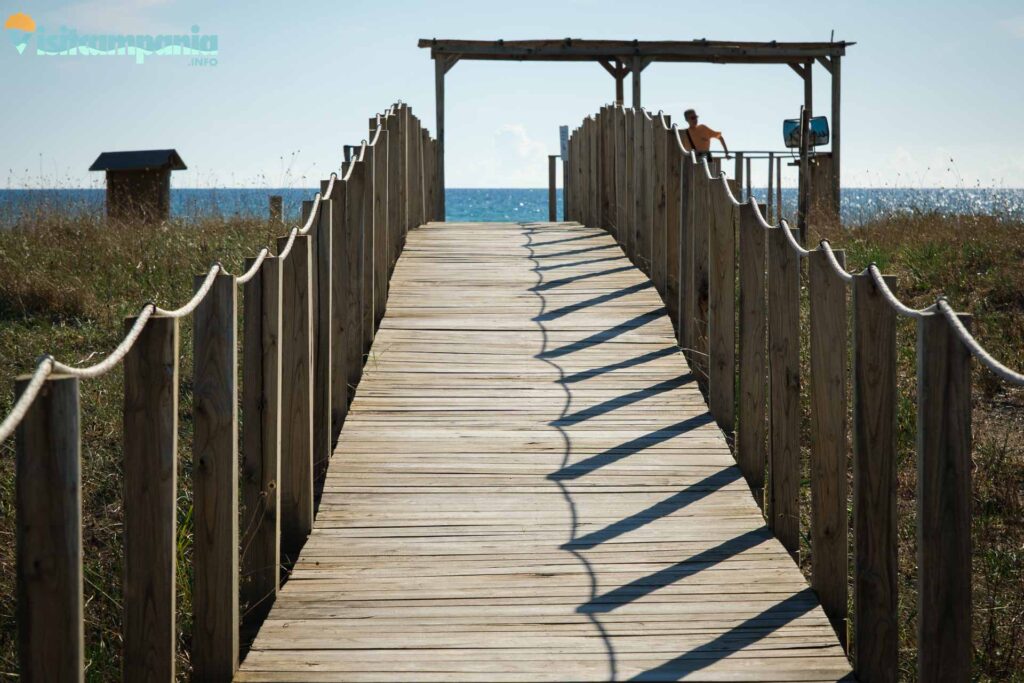
Capaccio-Paestum is a municipality in the province of Salerno . It is one of the natural gateways to Cilento , thanks to its strategic position along the Sele plain . It extends from the Tyrrhenian coast to the hills that reach 400 meters above sea level. The territory embraces three distinct souls: the coast with its beaches, the agricultural plain, and the hilltop village of the historic center .
The name “Capaccio” derives from the Latin Caput Aquae , meaning “head of the water”—a direct reference to the springs of a stream that flow at the foot of Mount Calpazio. The double name, Capaccio Paestum, alone speaks to the richness of the area : on one side, the medieval hilltop village, on the other, the millennia-old legacy of the ancient Greek city.
Brief historical notes
The history of this corner of Campania dates back a long way. The plain was already inhabited in prehistoric times , as evidenced by the finds from the Gaudo Necropolis . In the 7th century BC, Greek colonists from Sybaris founded Poseidonia , dedicating it to the sea god Poseidon . The city grew rapidly: in less than a century, three extraordinary Doric temples were erected.
Around 400 BC, the Lucanians conquered the city , renaming it Paistos. Then came the Romans , who transformed it into a colony, calling it Paestum . With the fall of the Empire and the spread of malaria in the marshy areas, the inhabitants abandoned the plain and moved up into the hills. Thus, between the 9th and 13th centuries, the medieval center of Capaccio was born.
Frederick II of Swabia destroyed Capaccio Vecchio in 1246 , punishing the rebellion of the Sanseverinos . From that moment on, the history of the territory unfolds through the Grimaldis, the Dorias and the d’Avalos of Aragon. The 19th century brought the Risorgimento uprisings , and with them the definitive integration into the Kingdom of Italy .
Today Paestum is a UNESCO World Heritage Site.. It is home to three of the best-preserved Greek temples in the world.
What to see in Capaccio Paestum
The Archaeological Park of Paestum
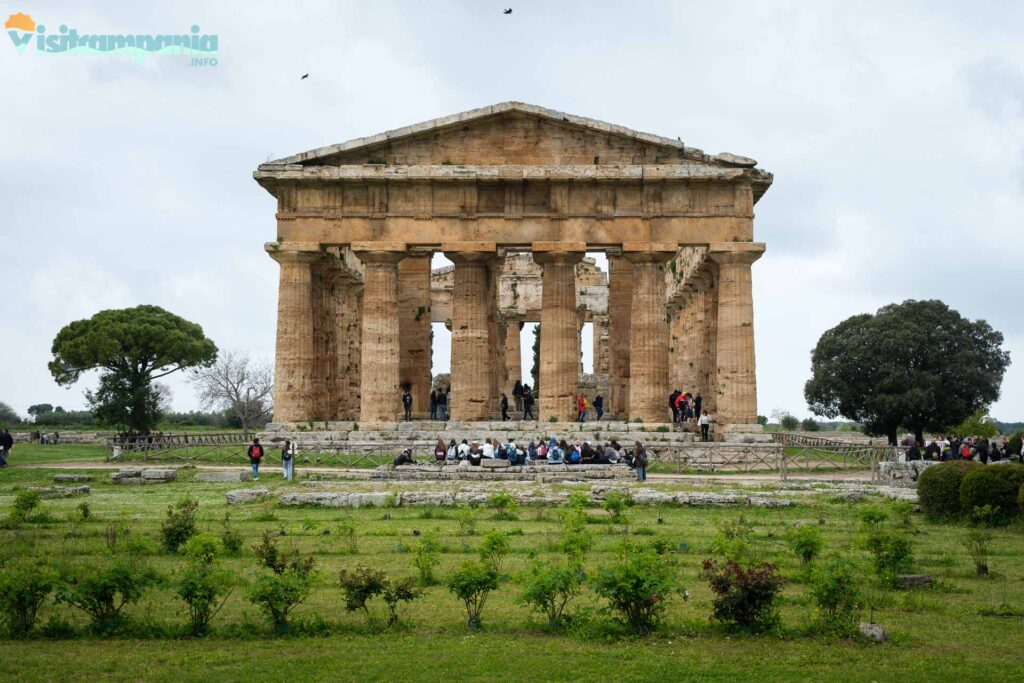
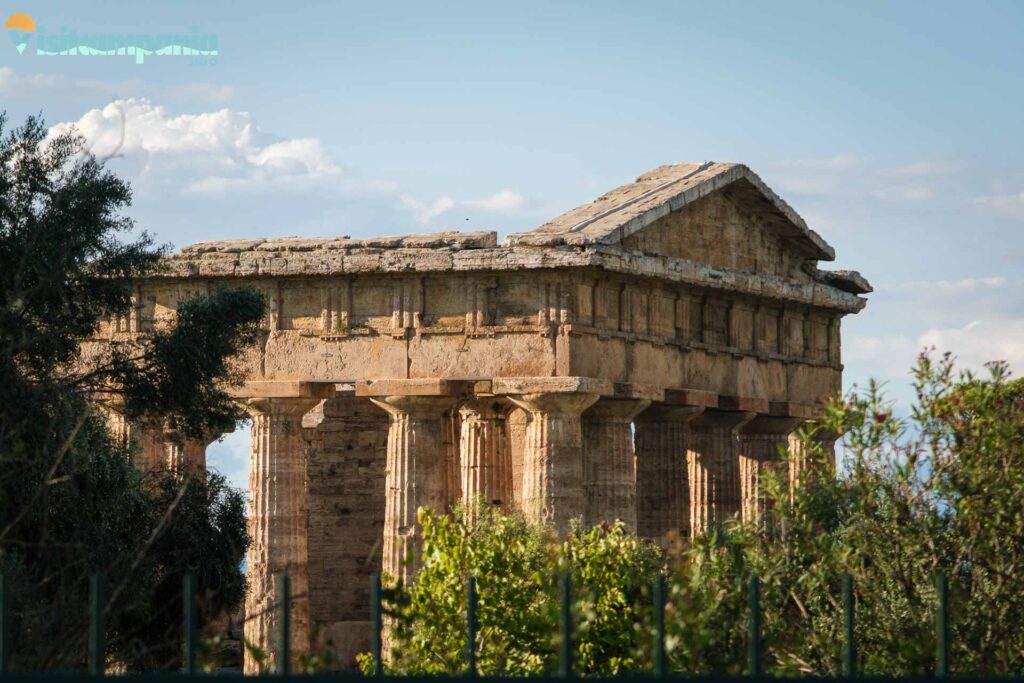
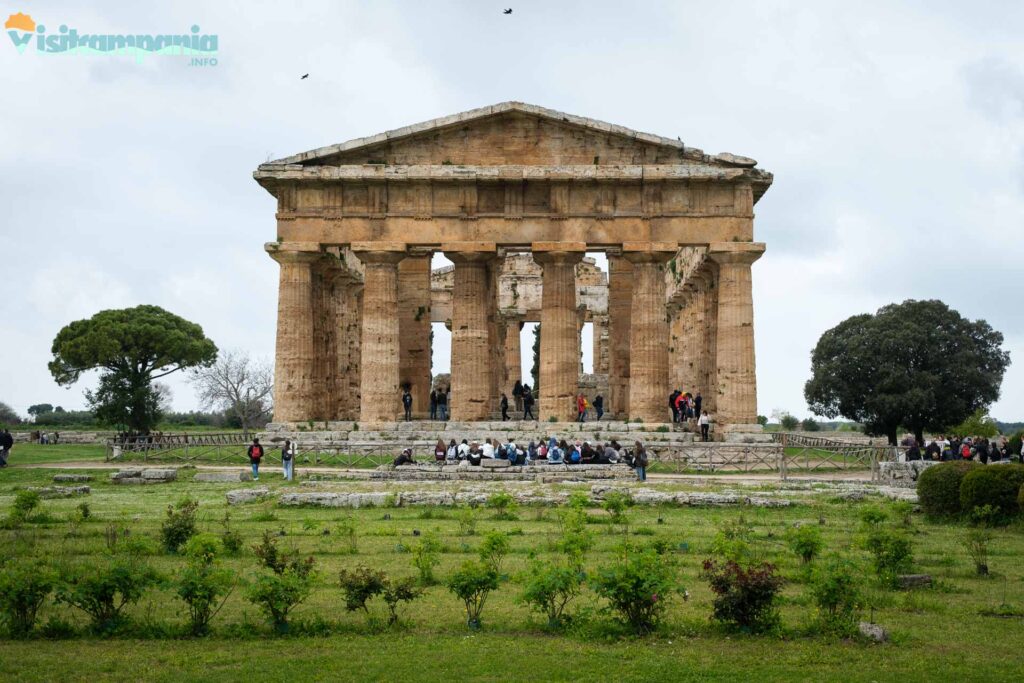
The Archaeological Park of Paestum is one of the most extraordinary archaeological sites in the Mediterranean and one of the best-preserved testimonies of Magna Graecia . It is surrounded by an almost intact polygonal wall , approximately 5 km long. Inside it winds the Via Sacra , with the forum , the agora , the amphitheatre and the three large Doric temples .
The most imposing is the Temple of Neptune , a masterpiece of Doric architecture and one of the best-preserved Greek temples in the world . The so-called Basilica, dedicated to Hera , is the oldest of the three and is immediately recognizable by its massive, slightly curved columns. Completing the monumental complex is the Temple of Athena , which dramatically closes the sacred area with its elegant elevated position.
The archaeological area is part of the larger complex “ Archaeological Parks of Paestum and Velia ” which also includes the National Archaeological Museum of Paestum , the Sanctuary of Hera on the Sele and, further south, the ancient city of Elea-Velia with the acropolis, the Porta Rosa and the Hellenistic quarters.
The combined ticket allows access to both Paestum and Velia and is valid for multiple days. It offers discounts and free admission for EU citizens under 18, discounts for young people between 18 and 25, and various cultural and tourism discounts. It is compatible with both the Artecard and the Naples Pass .
Visiting hours vary throughout the year, but generally the parks are open daily , with last admission in the late afternoon. It’s a good idea to check the official website for updates before visiting.
The National Archaeological Museum of Paestum
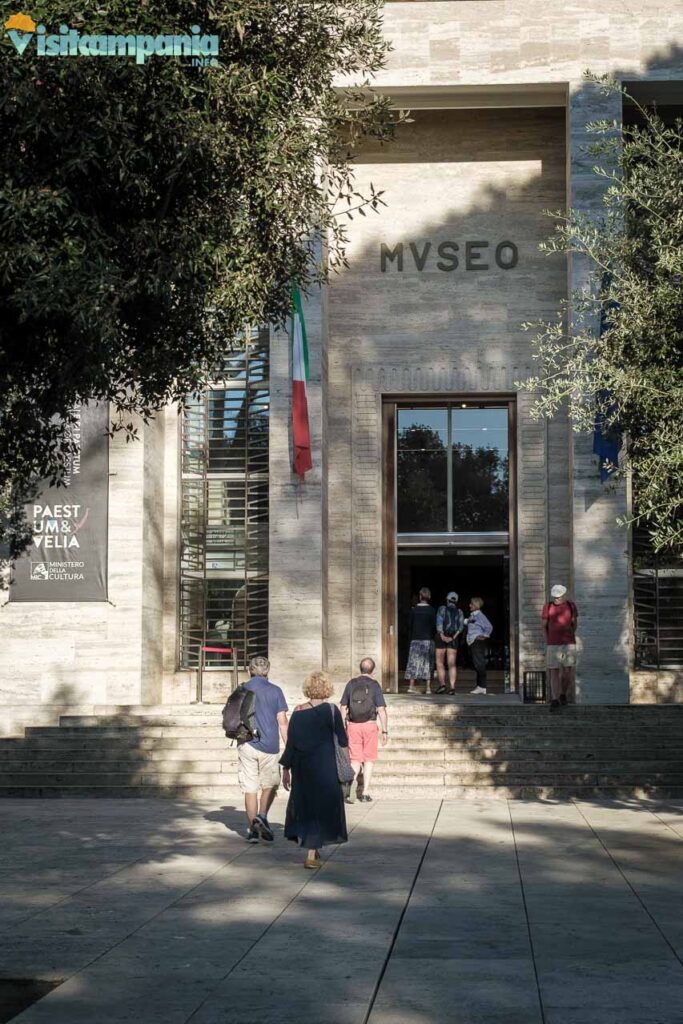
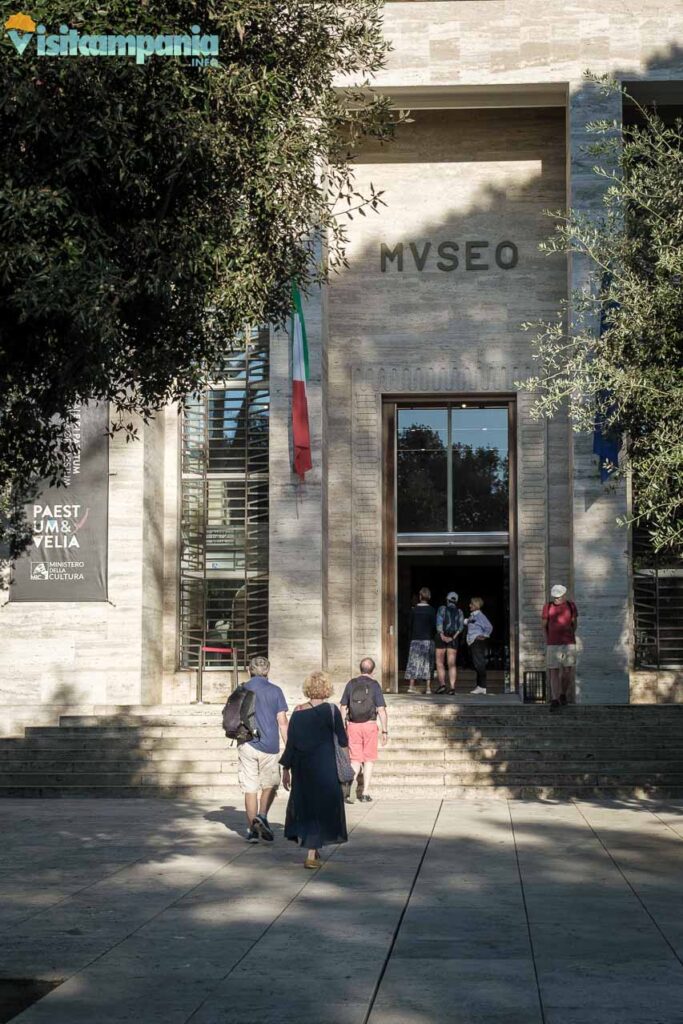
Next to the archaeological area is the museum : don’t skip it. The visit is smooth. And it often surprises even those who think they’ll be bored. It’s an essential stop, especially if you want to truly understand what you’ve just seen in the park .
Here you’ll find artifacts, sculptures, decorations, and testimonies of daily life. The museum also houses funerary objects from Greek and Lucanian necropolises, and most importantly, the celebrated Tomb of the Diver . It’s the only example of classical Greek funerary painting found in Magna Graecia . An absolute masterpiece, not to be missed.
It is part of the “ Archaeological Parks of Paestum and Velia ” complex .
The Sanctuary of Argive Hera on the River Sele
A few kilometers from Paestum , along the Sele River, lies the Sanctuary of Argive Hera , one of the most fascinating and symbolic places in Magna Graecia. Founded in the Archaic period as a border sanctuary for the Greek city of Poseidonia, it was dedicated to the goddess Hera and was linked to the myth of the Argonauts . It is not a simple isolated temple, but a sacred complex deeply linked to the territory, myth, and identity of ancient Poseidonia . After a long closure caused by the flooding of the Sele in 2014, the site was returned to the public in 2025. The new visitor route, entitled “ The temple on the border – Hera and the landscape of the Sele ,” leads the visitor through ancient structures, information panels, rest areas, and the evocative Garden of Hera , designed to evoke the plant species that characterized the ancient sanctuary.
It is part of the “ Archaeological Parks of Paestum and Velia ” complex and is accessible only on Saturdays at 11:00 and Sundays at 15:00 with mandatory reservation .
The Sanctuary of the Madonna del Granato (Capaccio)
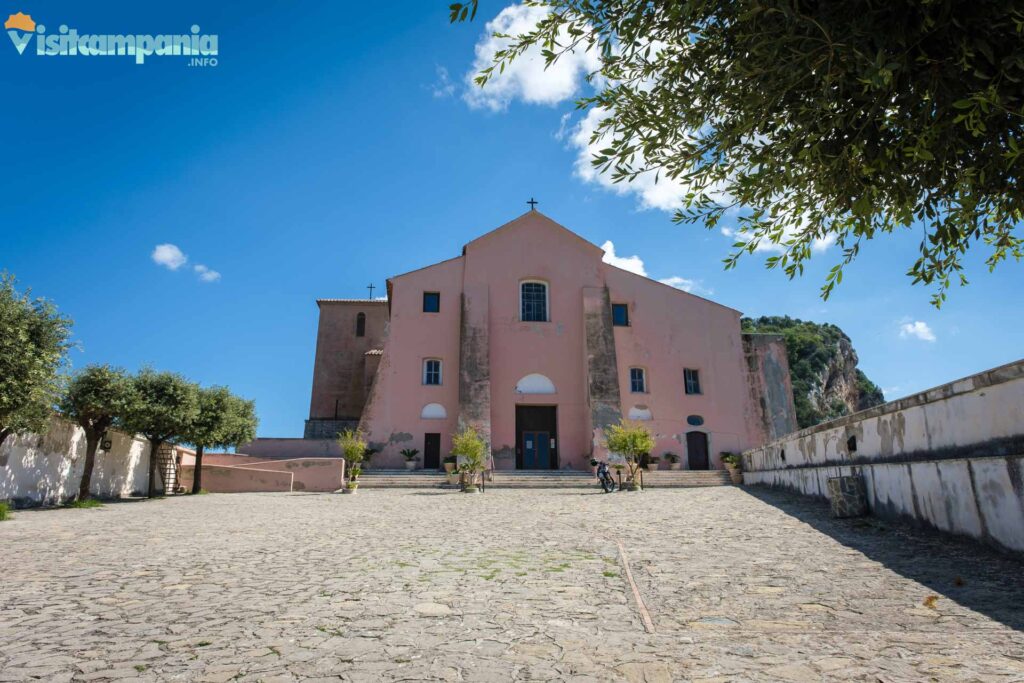
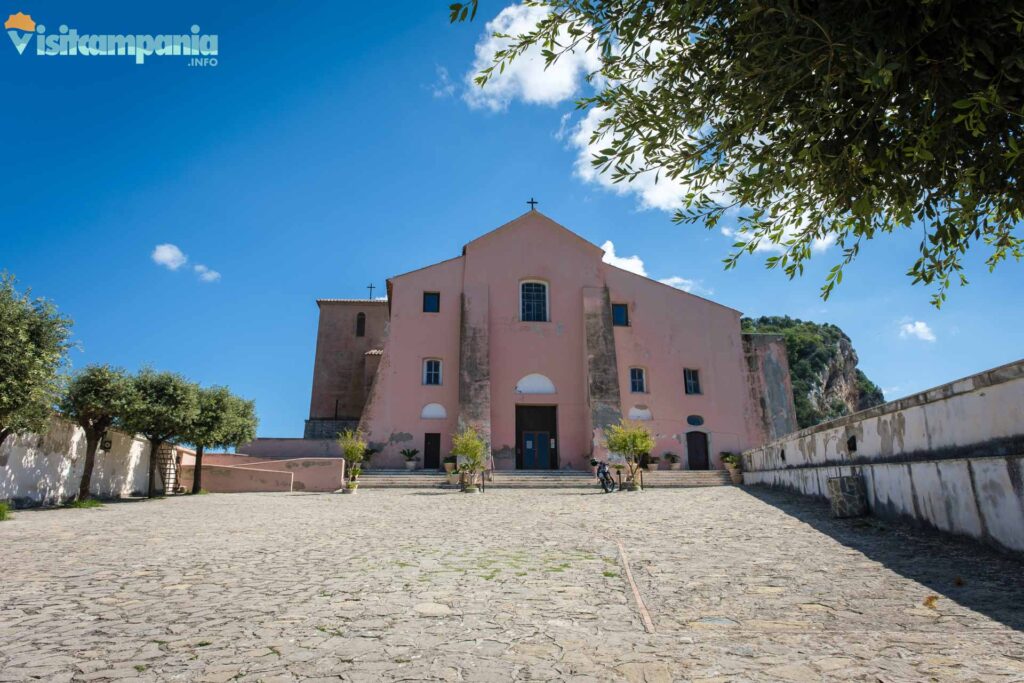
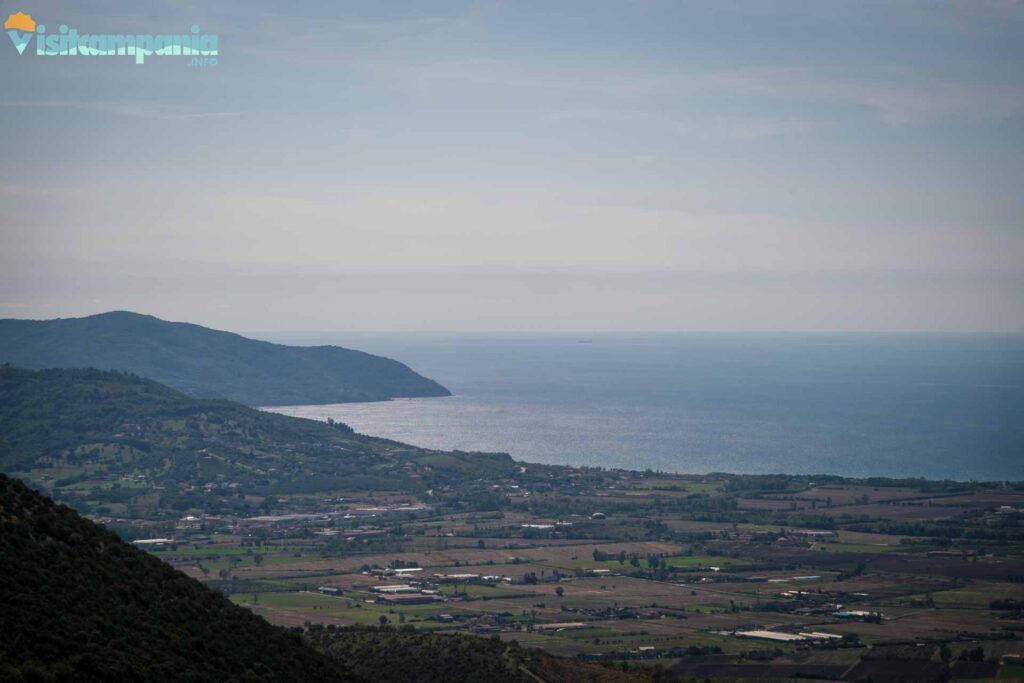
If you’re looking for a more intimate and scenic spot , head up to Capaccio. The Sanctuary of the Madonna del Granato stands 243 meters above sea level and is one of the most evocative spots in the area. Even if you’re not religious, it’s worth the climb because the view from here is spectacular and because it captures an important part of the local identity. From here, the view extends over the Sele Plain, the Gulf of Salerno, the Amalfi Coast, and, on clear days, all the way to the island of Capri.
The sanctuary, of medieval origins , is one of the seven Marian sanctuaries of Cilento .
Capaccio historic center
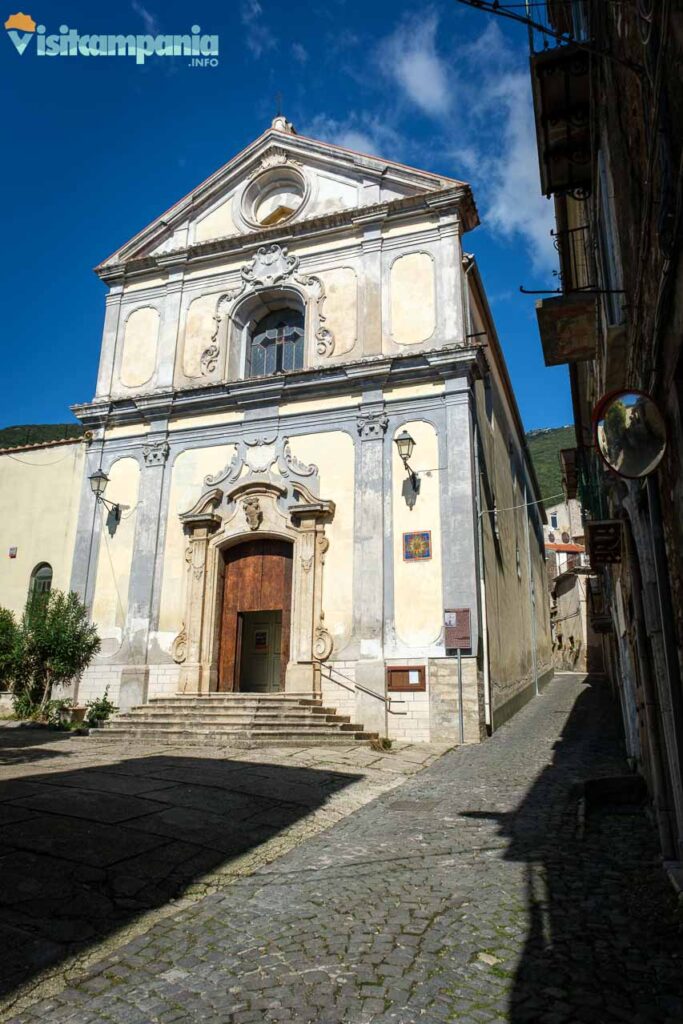
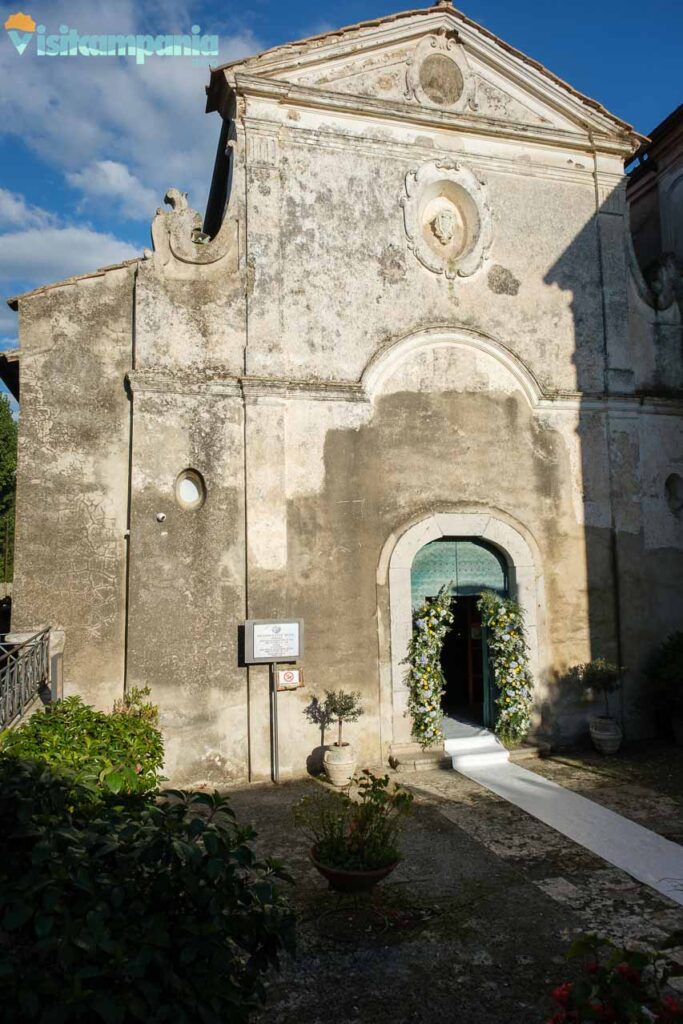
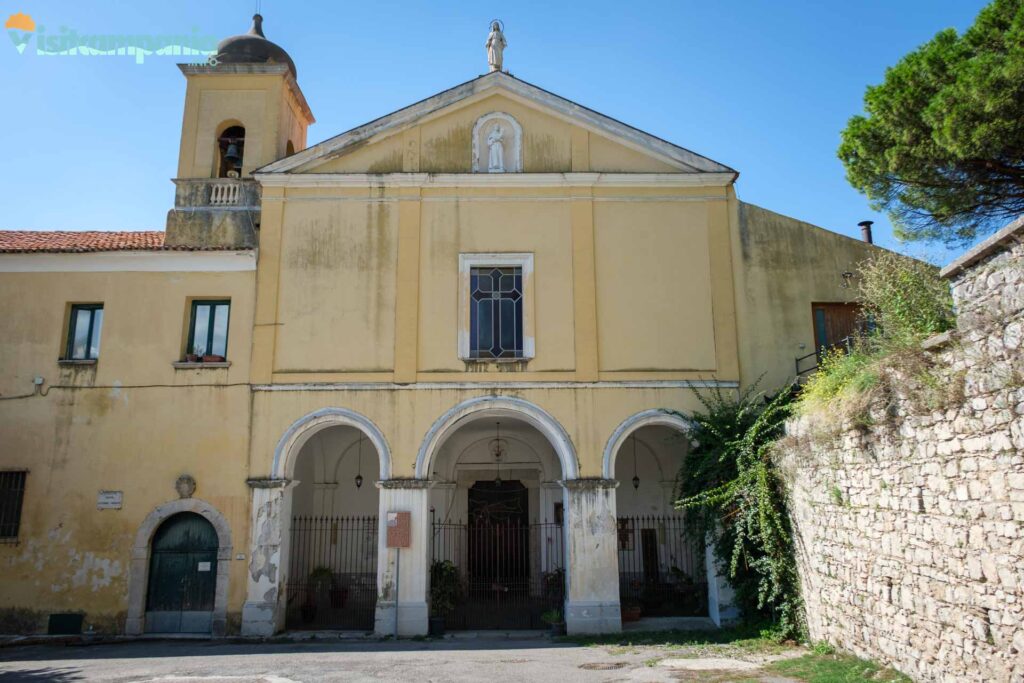
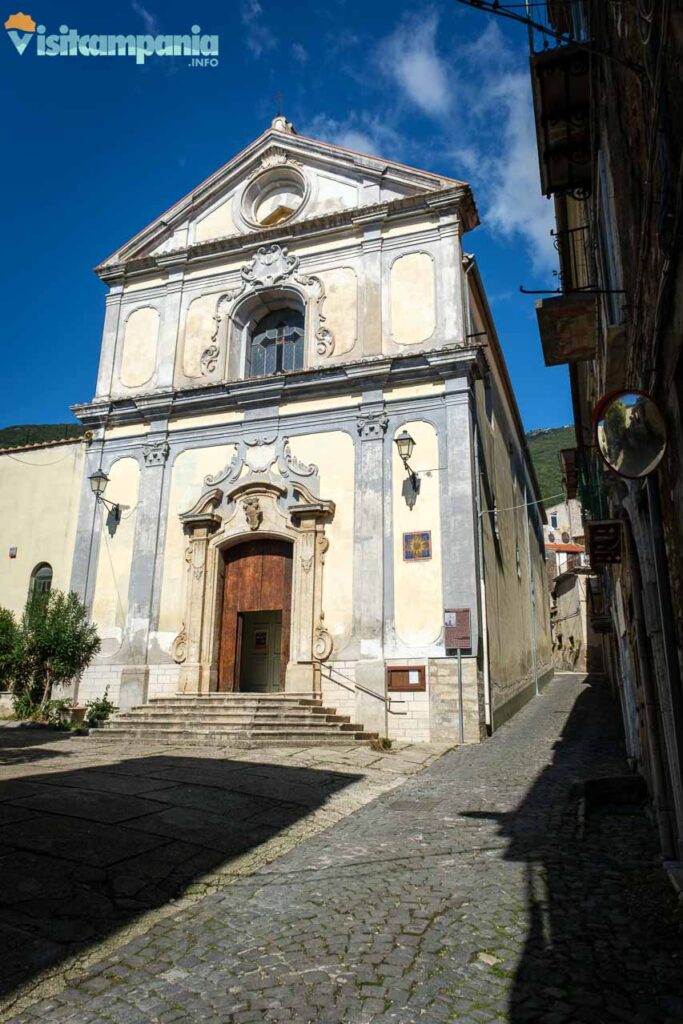
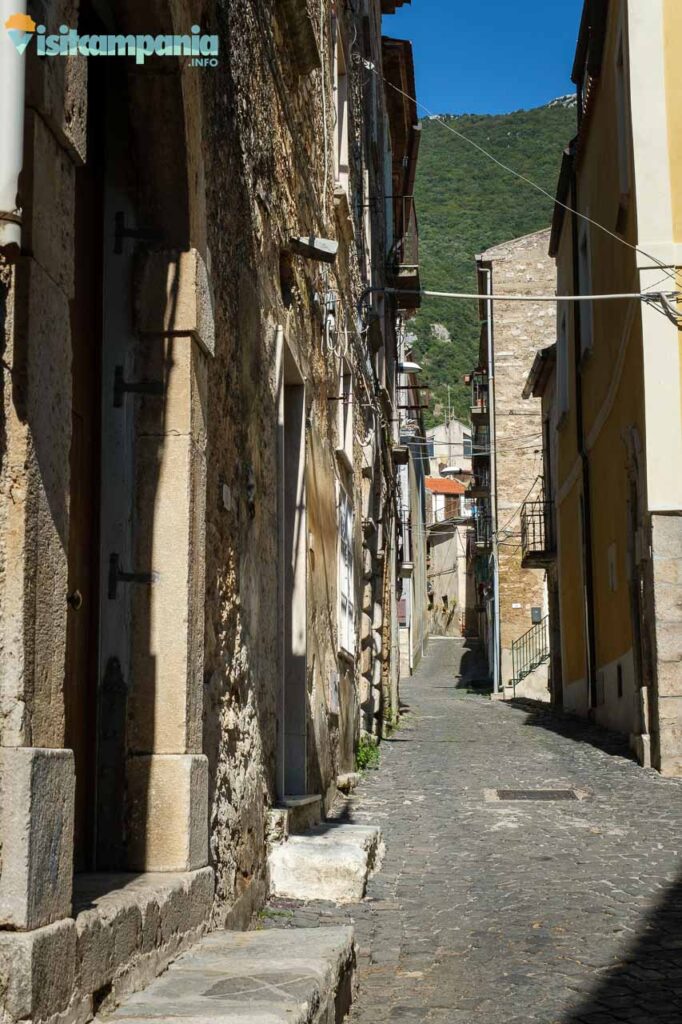
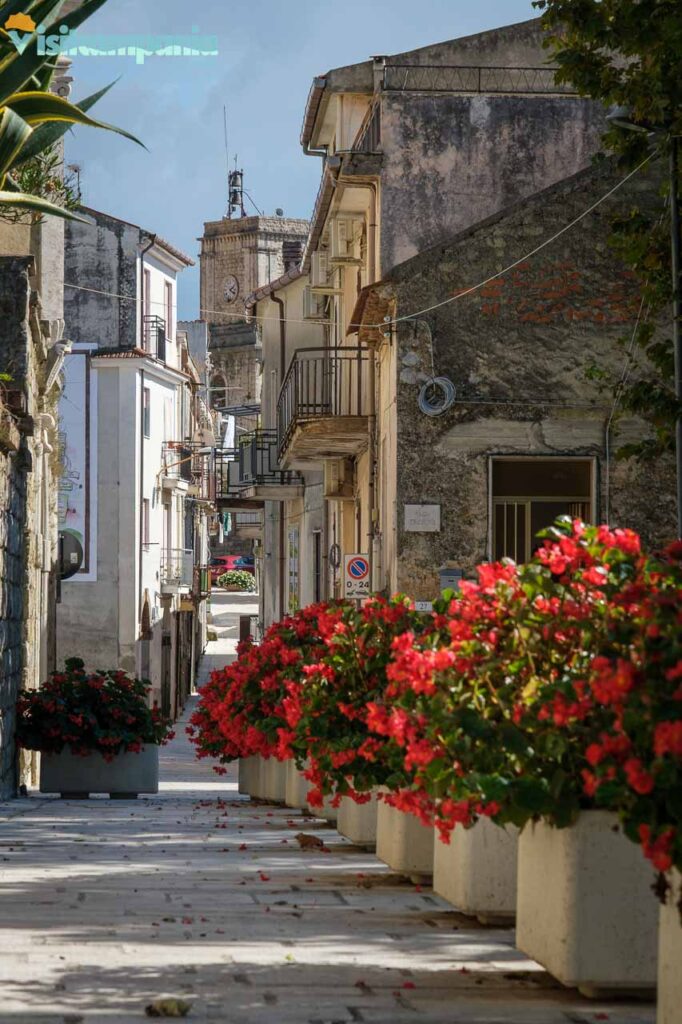
The capital, Capaccio, is less touristy and more authentic . It’s the perfect destination for an evening stroll, away from the summer crowds . Eighteenth-century buildings, stone doorways, narrow alleys, and the splendid Piazza Tempone —nicknamed “i Giardini” by locals—overlooking the entire plain. Also worth seeing are the Baroque Church of San Pietro Apostolo and the Franciscan Convent with its 18th-century frescoed cloister.
The beaches
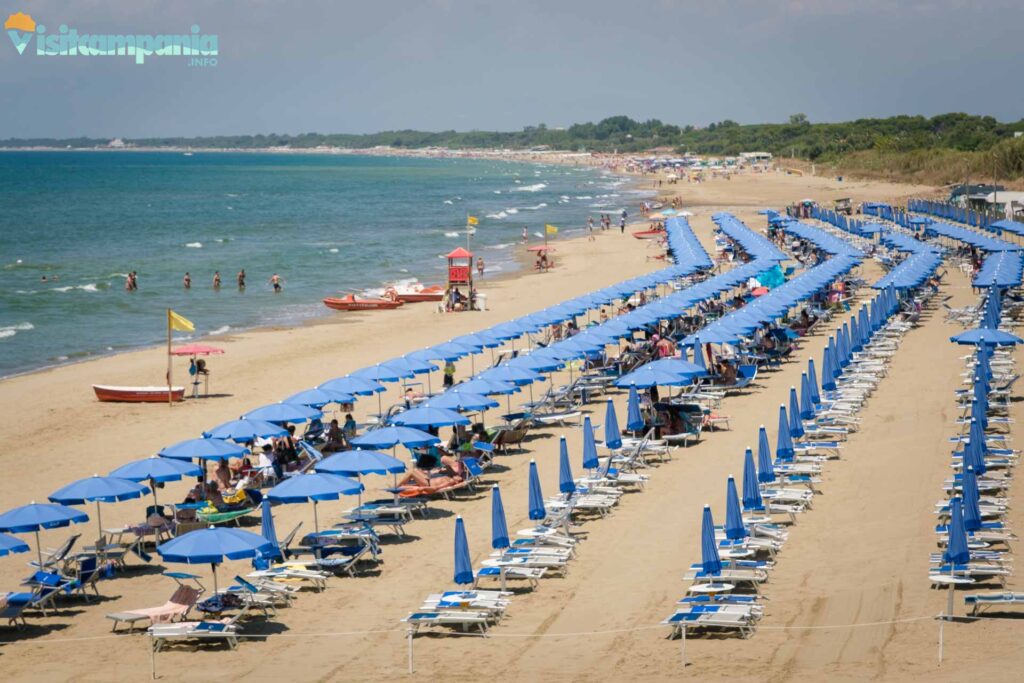
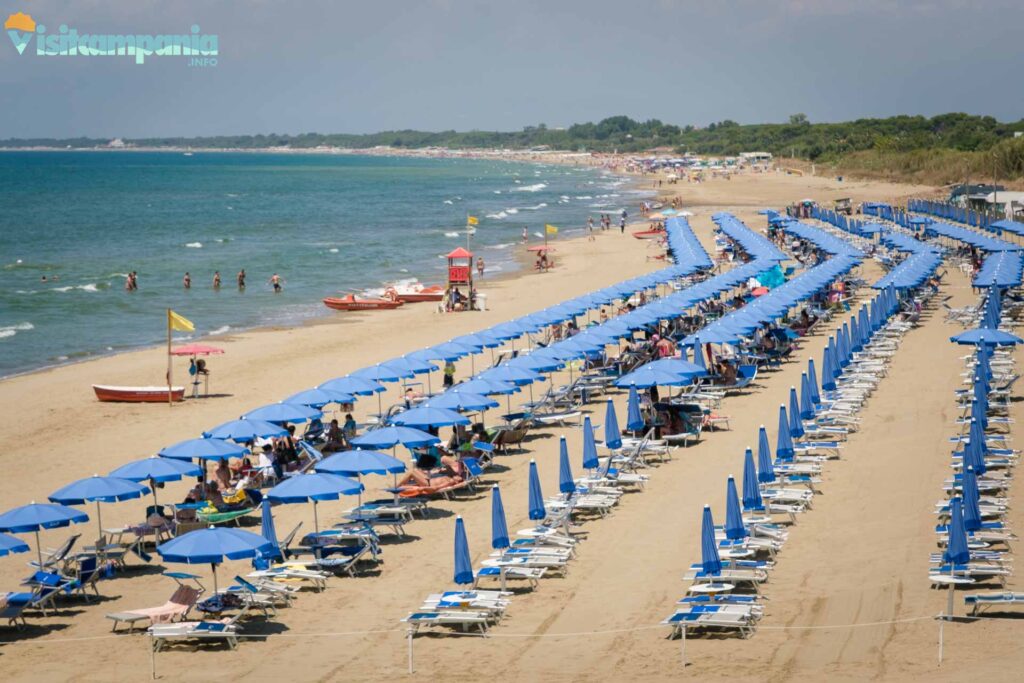
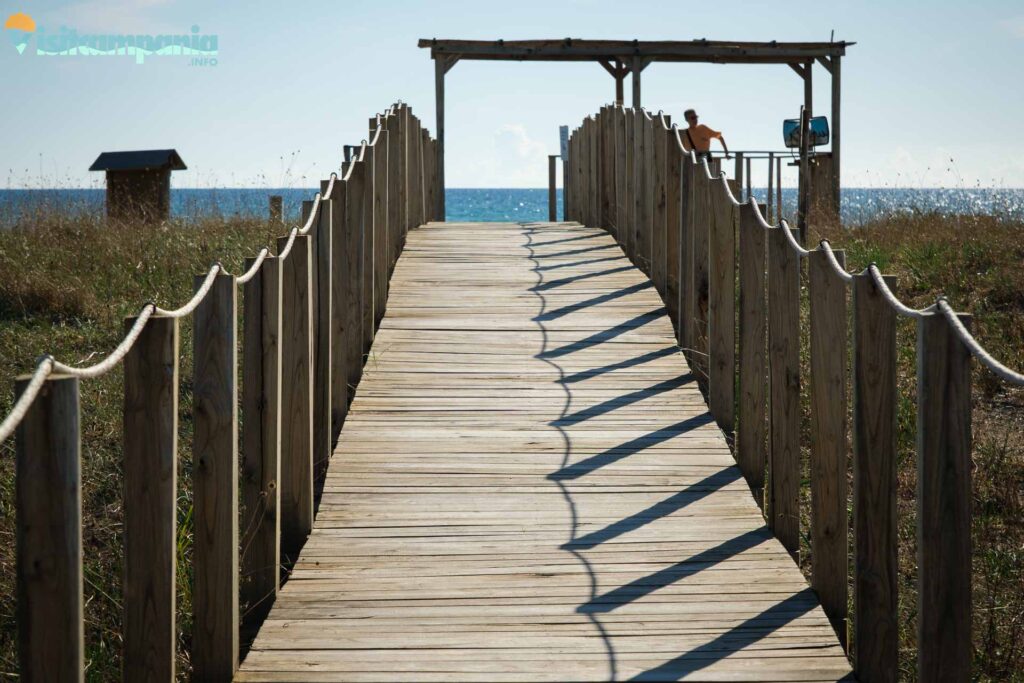
The coastal strip, largely enclosed by large pine forests and green spaces, extends for over 12 kilometers , from Torre Licinella to the mouth of the Sele River. The beaches are long, wide, and comfortable . Light-colored sand, a gentle, shallow seabed, beach resorts alternating with public areas, and ample parking make the beaches of Paestum a perfect solution for families with children .
The best-equipped area is located in Licinella-Torre Paestum , where the beach is more than 100 metres deep.
What to do in Capaccio-Paestum
Sports and nature
The area is a paradise for outdoor enthusiasts . At the Caput Aquae spring in Capodifiume, you can enjoy excursions among the Cilento flora and fauna, birdwatching , and cycling . Rafting is possible on the nearby Tanagro and Calore rivers. For those who love walking, the nearby Cilento, Vallo di Diano, and Alburni National Park offers endless trekking opportunities and spectacular views.
Horseback riding and sport fishing round out a truly varied outdoor offering. Finally, for those who want to venture further, Skydive Salerno is located just a few kilometers away, offering a parachute jump overlooking the temples.
The Balloon Festival
Every year, the sky above Paestum fills with colorful hot air balloons . The Paestum Balloon Festival is one of the most photographed events in Italy: seeing the balloons rise at dawn above the Greek temples is a unique spectacle .
Festivals and events
The Feast of the Madonna del Granato (August 15th) is one of the most heartfelt celebrations in the area. The Gromola Artichoke Festival (April/May) celebrates one of the plain’s iconic products. The Feast of San Vito (June 15th) enlivens the village with religious rites and traditional performances.
Typical food and wine specialties
Mozzarella di Bufala Campana DOP is the undisputed queen. Numerous herds of buffalo graze in the plain, and many dairies open their doors to visitors to demonstrate the production process firsthand. In addition to mozzarella, they produce top-quality buffalo milk yogurt, ice cream, and cakes .
The Paestum Artichoke PGI is the other star. Large, fleshy, and thornless, it’s delicious raw, grilled, or pan-fried. Its harvest and associated festival coincide with spring.
Pecorino cheeses , Cilento cured meats , fresh fish from the coast and traditional Campania desserts are never missing from the table. Pair them with a glass of Fiano or Aglianico del Cilento.