
What is Zungoli?
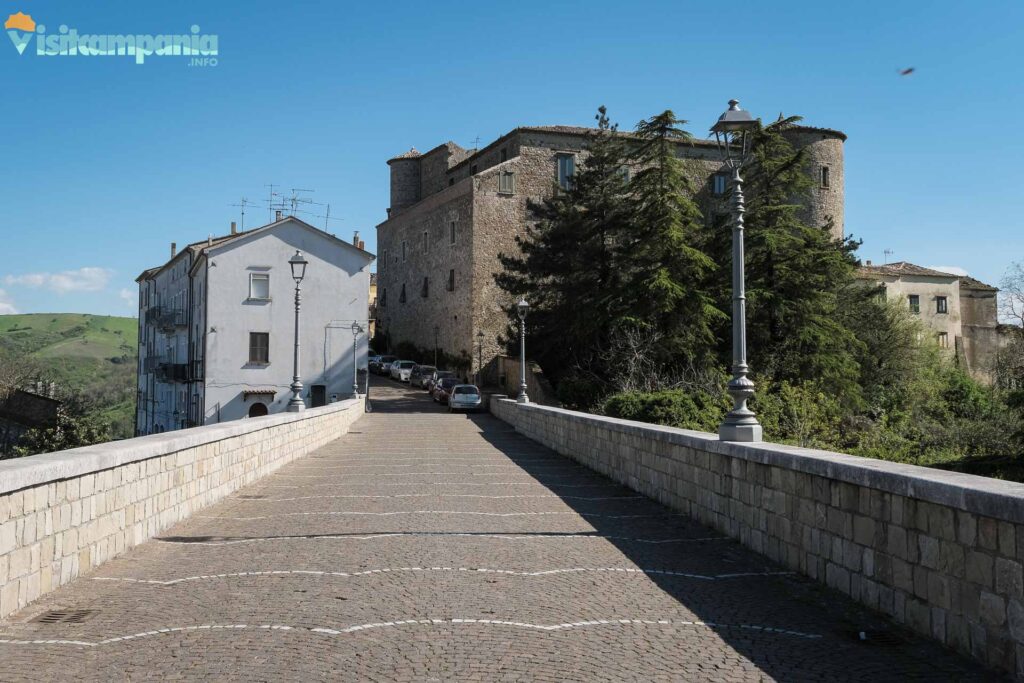
Zungoli is a small medieval village in the province of Avellino , in the heart of Irpinia . Today, it has fewer than 1,000 inhabitants and is one of the smallest and most authentic towns in the region.
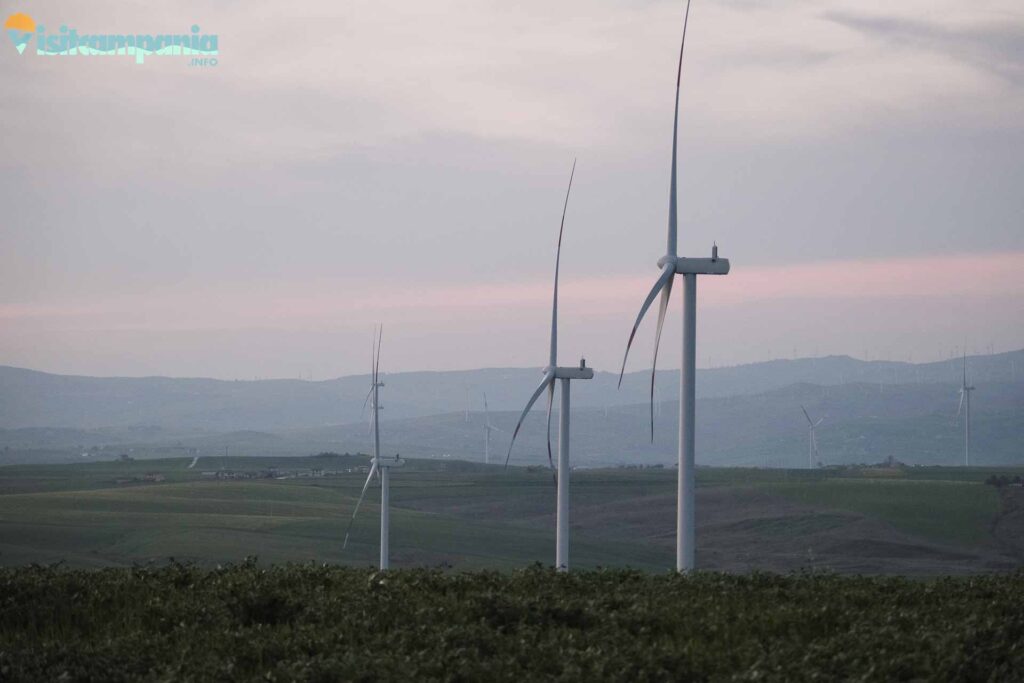
It stands at 657 meters above sea level , on a hill overlooking the Ufita Valley , on the border between Campania and Puglia . The landscape is typical of the Apennine hinterland, with hills, sheep tracks (ancient grassy paths used for transhumance , the seasonal movement of flocks), and wide rural panoramas.
Zungoli is part of the ” Most Beautiful Villages in Italy ” circuit (an association that promotes and highlights Italy’s small historic towns of particular value) and has been awarded the Touring Club Italiano ‘s Orange Flag (a recognition of tourism and environmental quality awarded to small inland villages). In 2026, it won third place in the “Il Borgo dei Borghi” competition ( a competition among villages selected from the “Most Beautiful Villages in Italy” circuit, which takes place within the Kilimangiaro TV program), entering the list of Italian excellences .
Brief historical notes
Zungoli’s origins are very ancient . Relics dating back to 3,000 BC and Roman artifacts have been found in the area.
However, the village took shape in the Middle Ages , around the Norman castle. According to local tradition, the fortress is linked to the leader Leander Juncolo or Curolo . The ancient name Castrum Curoli also derives from this, but the origin of the toponym remains uncertain.
In the 13th century, Zungoli appears in sources related to the construction of the fortress. The fiefdom then passed between various families and lords , including Enrico di Valmontone, the de Gianvillas, Raimondo del Balzo and his successors.
In the 16th century, the castle became part of the Loffredo family. Under their rule, it gradually lost its military function and became a noble residence. This was a decisive transformation, still visible in the building’s current appearance.
In 1825, the castle was purchased by the Susanna family , Marquises of Sant’Eligio. A member of the family, Salvatore , was also the mayor of Zungoli during the uprisings of 1820-1821 . Suspected of an active role in the revolts, he was exiled to the Papal States. He was then reinstated in 1830 by Ferdinand II.
Even today the castle belongs to the Susanna family , who preserve its historical memory.
Zungoli’s history is also marked by earthquakes, reconstructions, and rural life . The castle lost one of its four towers after the 1456 earthquake. The town, however, has retained its medieval layout and the compact character of an Irpinia village.
Today, Zungoli is not only a well-preserved village, but a place where feudal history, family memories, and the rural landscape remain closely linked.
What to see in Zungoli
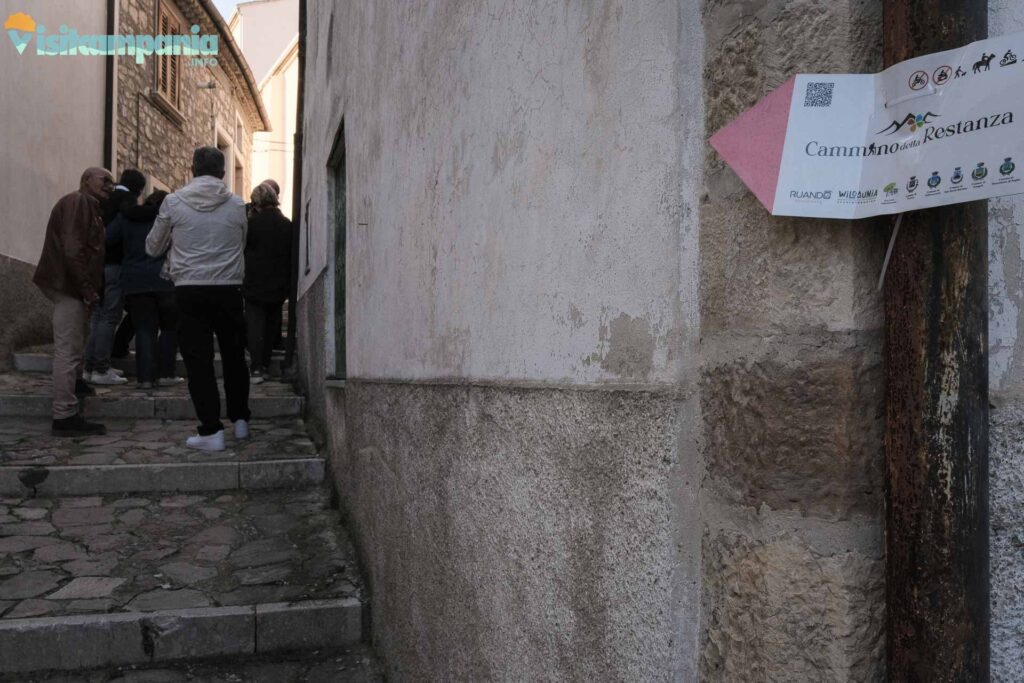
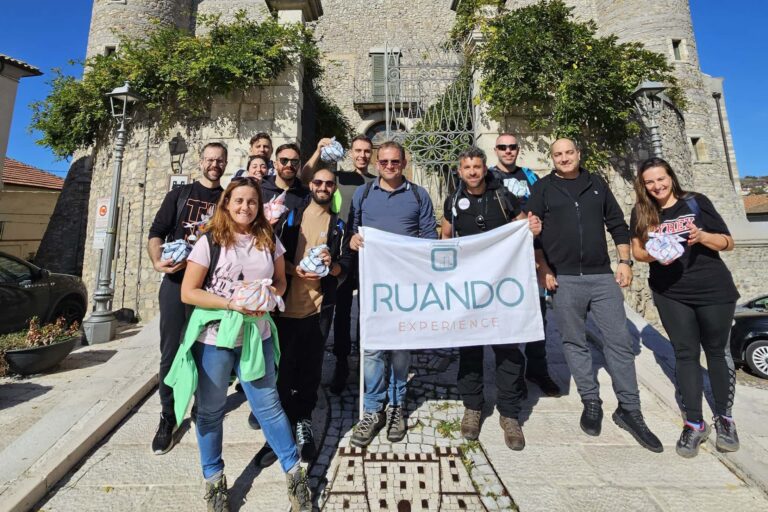
Before looking in detail at what Zungoli has to offer, a preliminary note is in order . Beyond a short stroll through the historic center and a peek at the churches, if open, many interesting places, which offer a glimpse of what life was like here until just a few years ago, are only accessible via guided tour . Carefully consider joining one of the tours offered by local guides. Only then will you be able to access these places, make sense of them, and make the most of your time. Keep in mind that a tour lasts at least two hours, while on your own you’ll need a maximum of half an hour—a very short time considering how difficult it is to get here.
The historic center
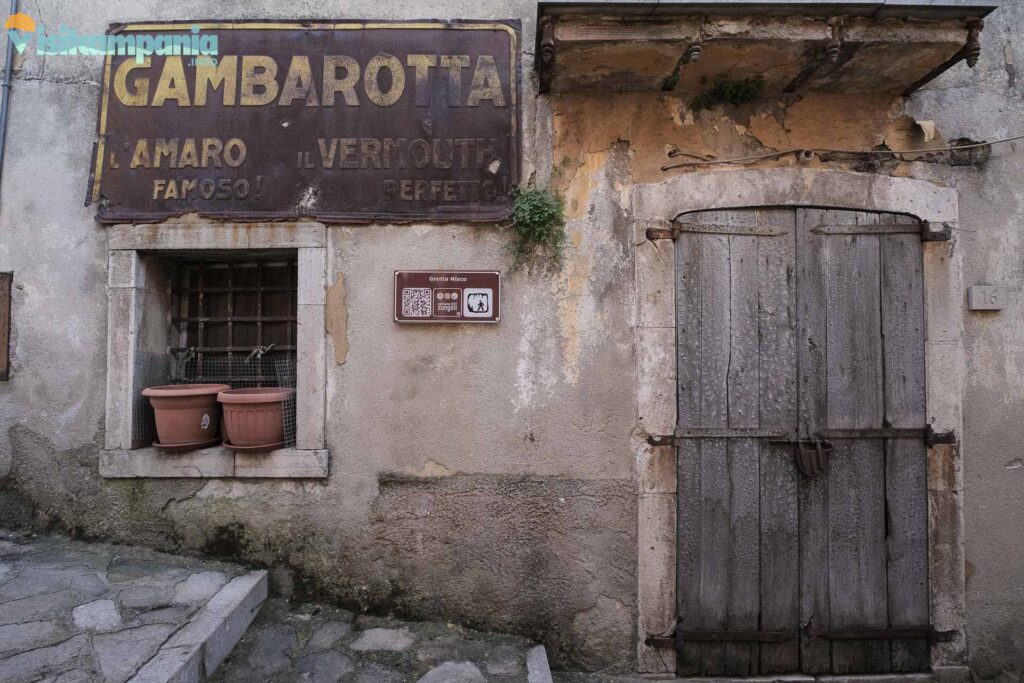
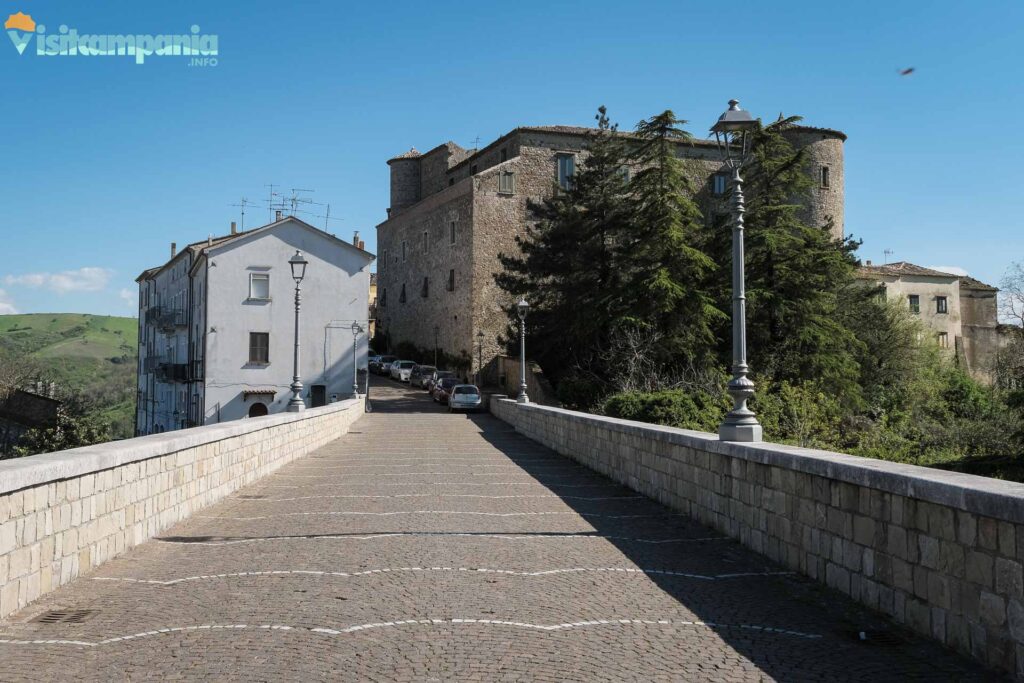
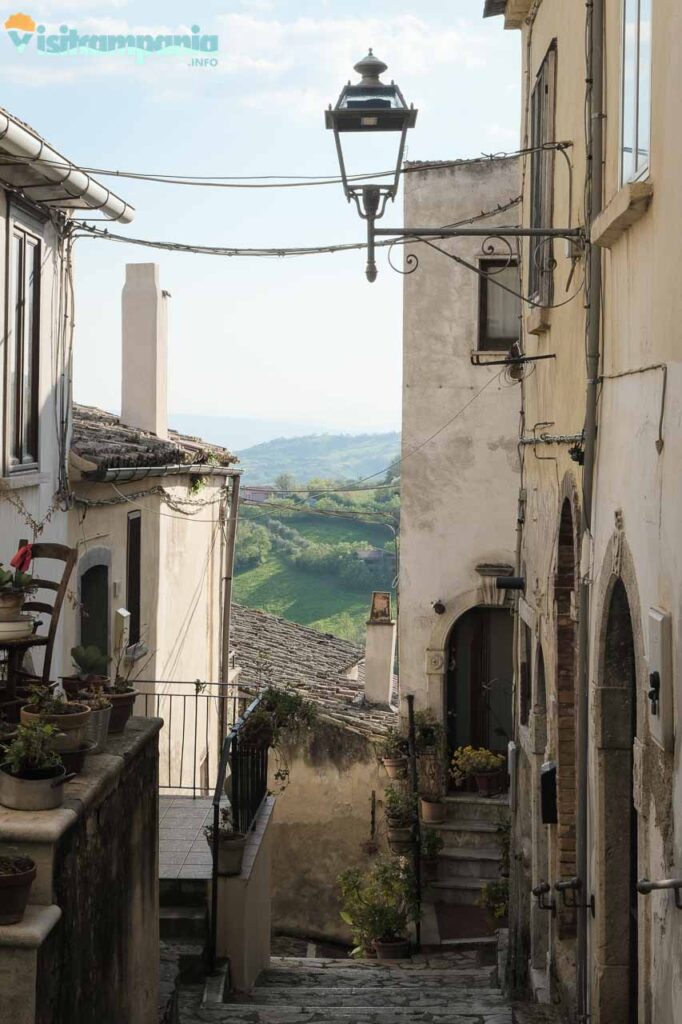
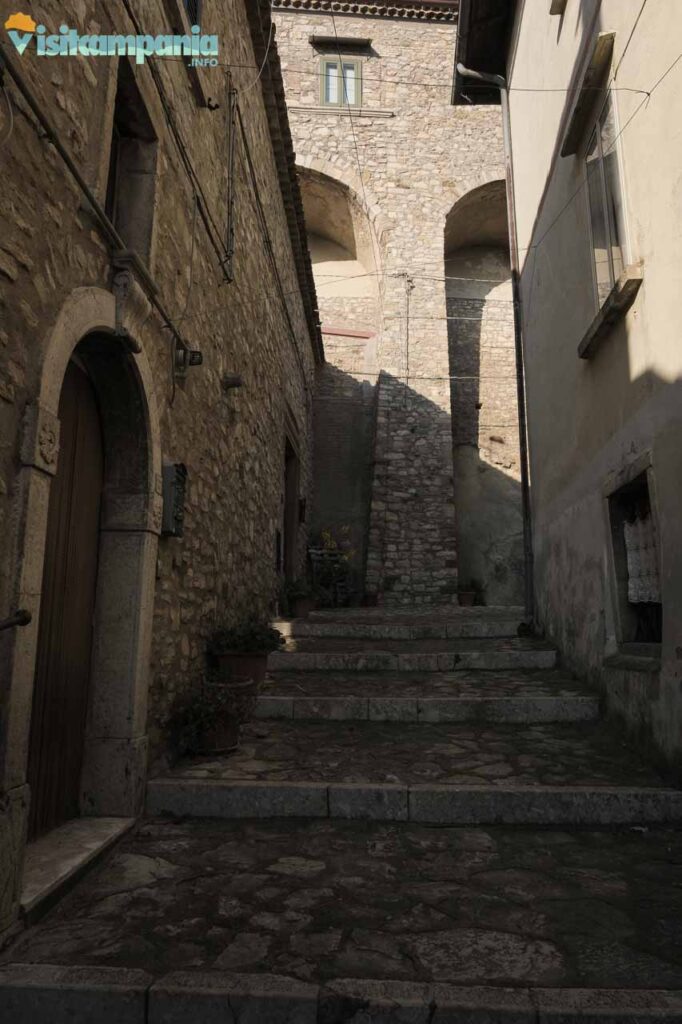
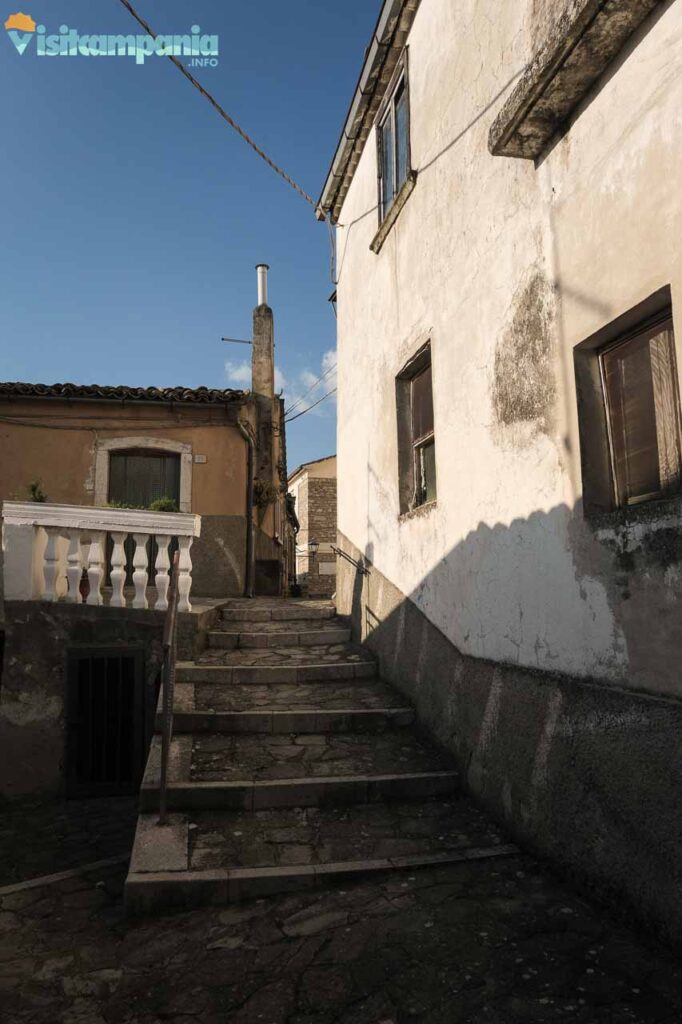
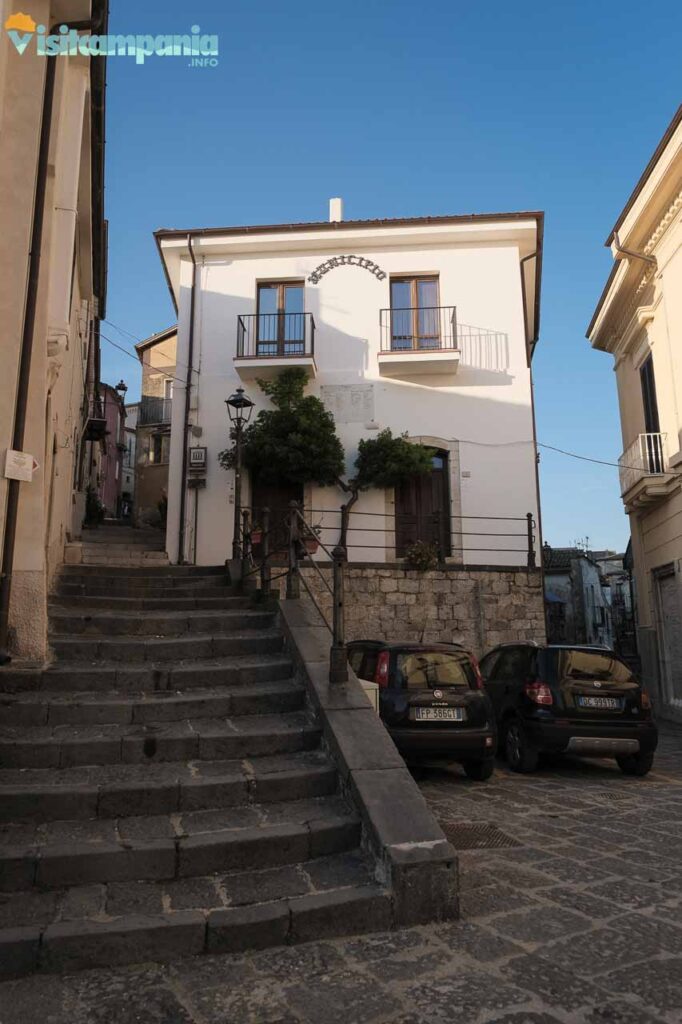
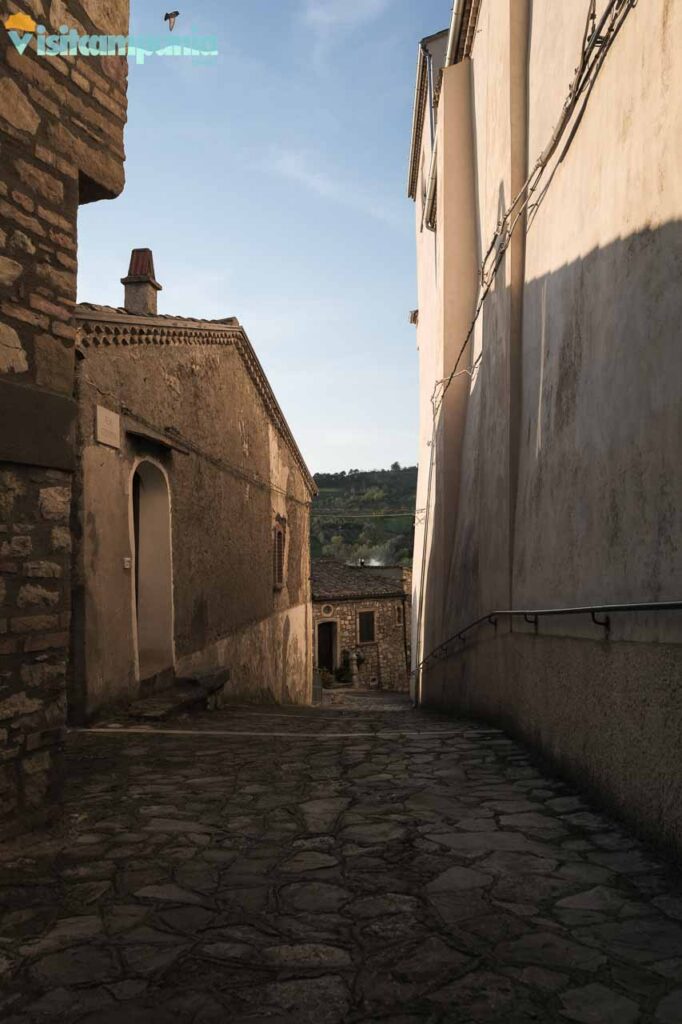
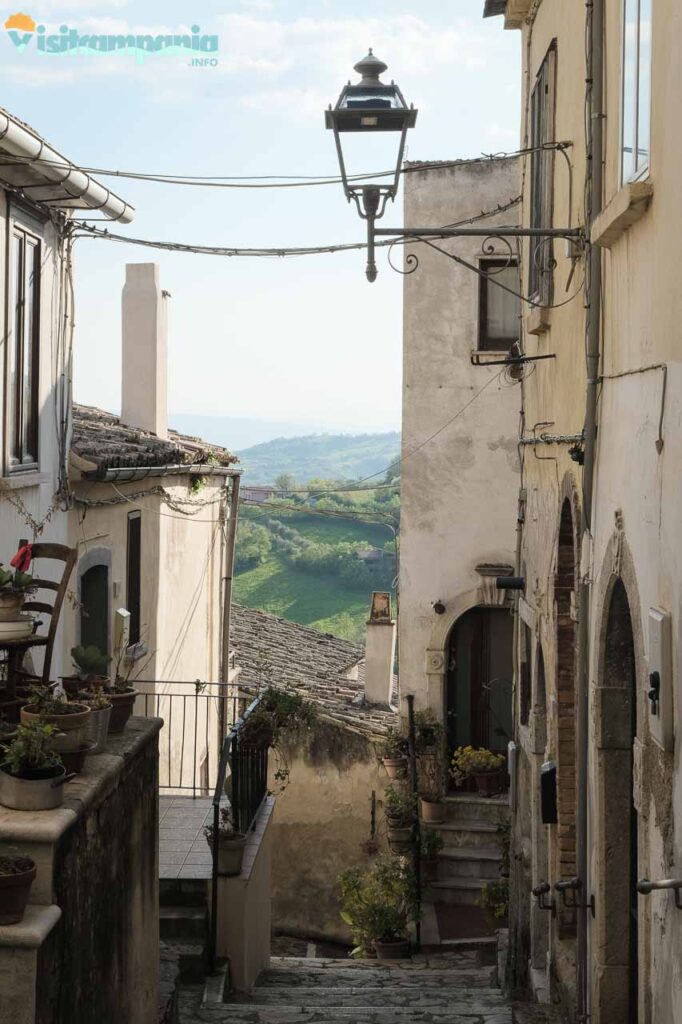
The historic center of Zungoli is a small medieval gem , almost intact over time. It has a compact layout, typical of defensive villages . A distinctive feature are the so-called ” rue ,” narrow, irregular alleys, often uphill, that connect the various parts of the village. They intertwine between stone arches, stairways, and covered passages, creating evocative views and continuous changes of perspective.
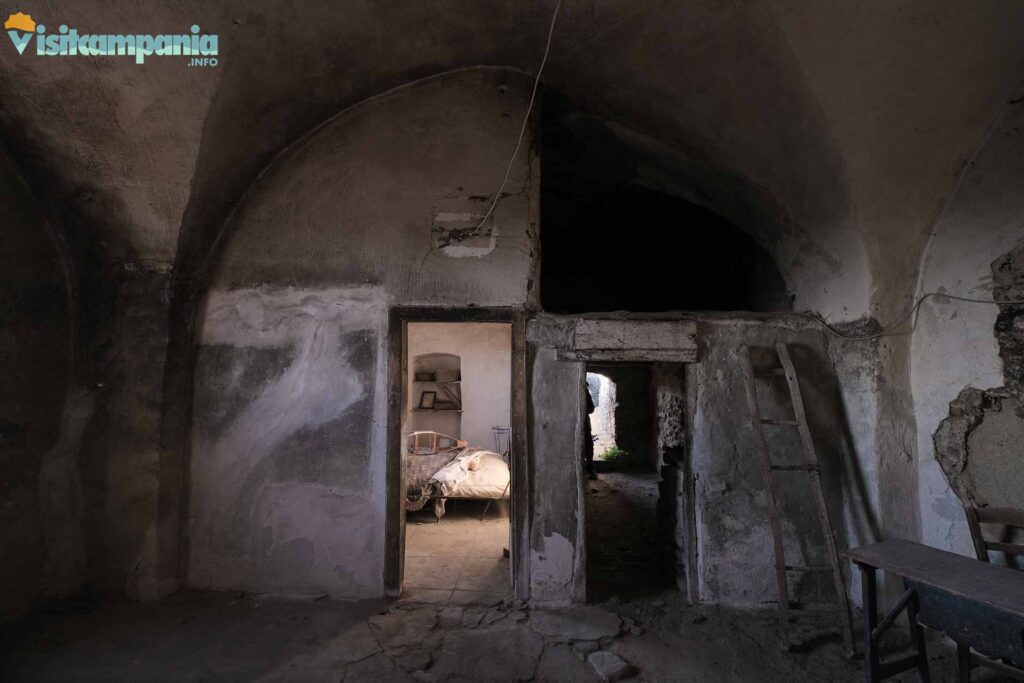
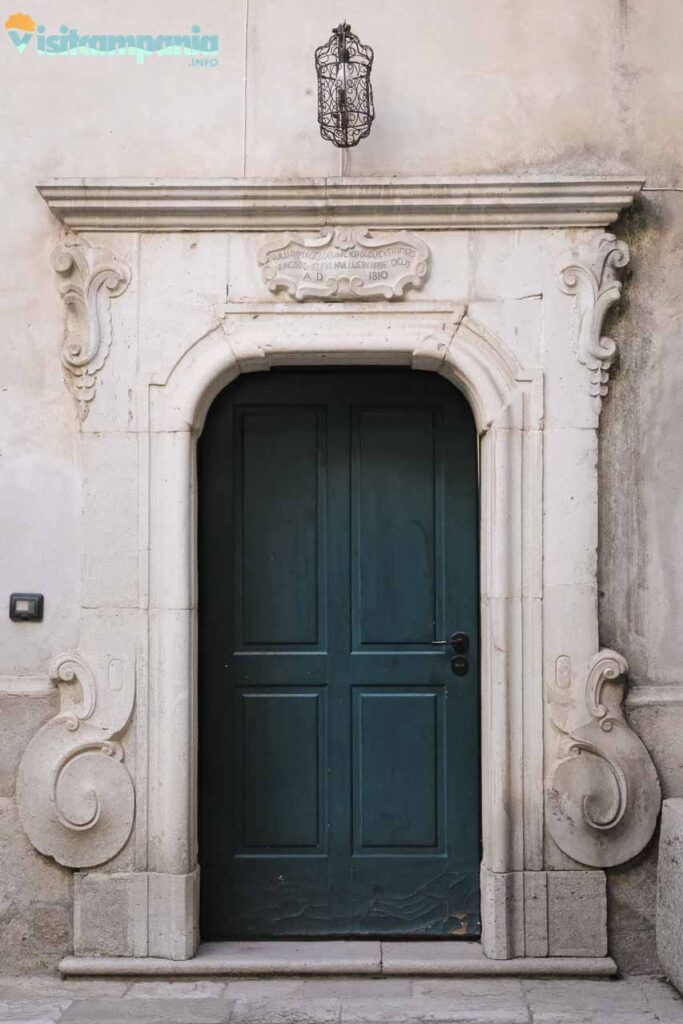
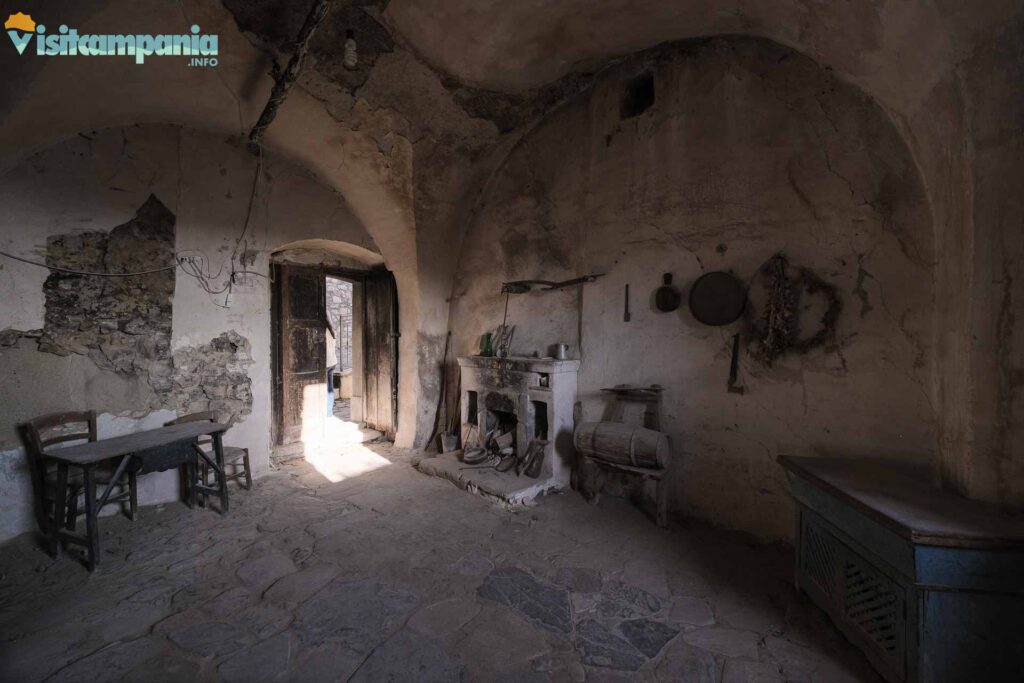
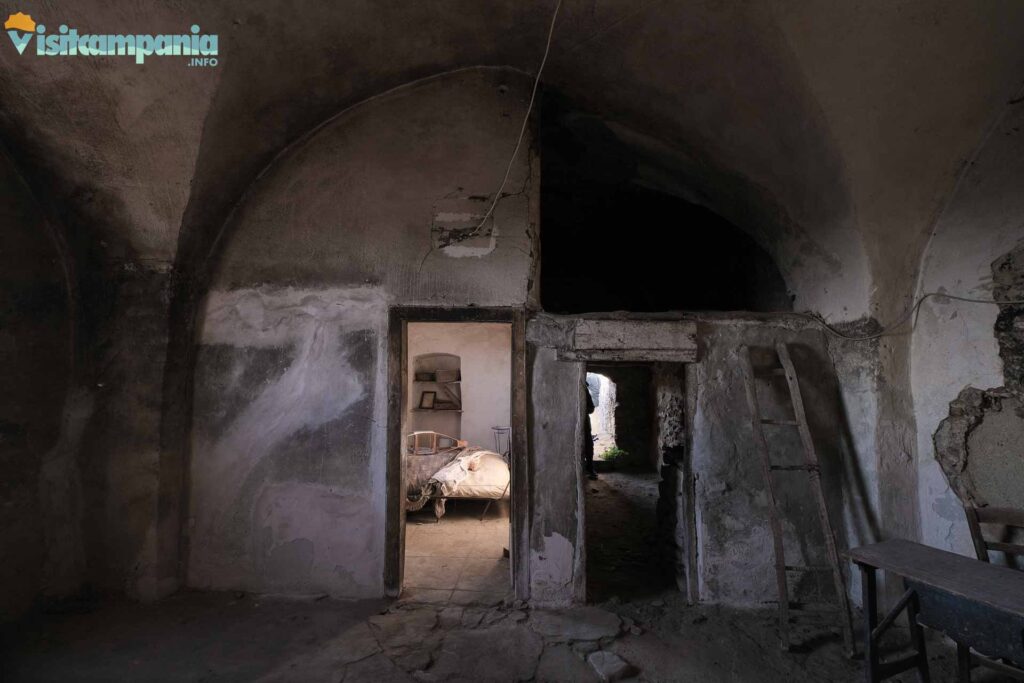
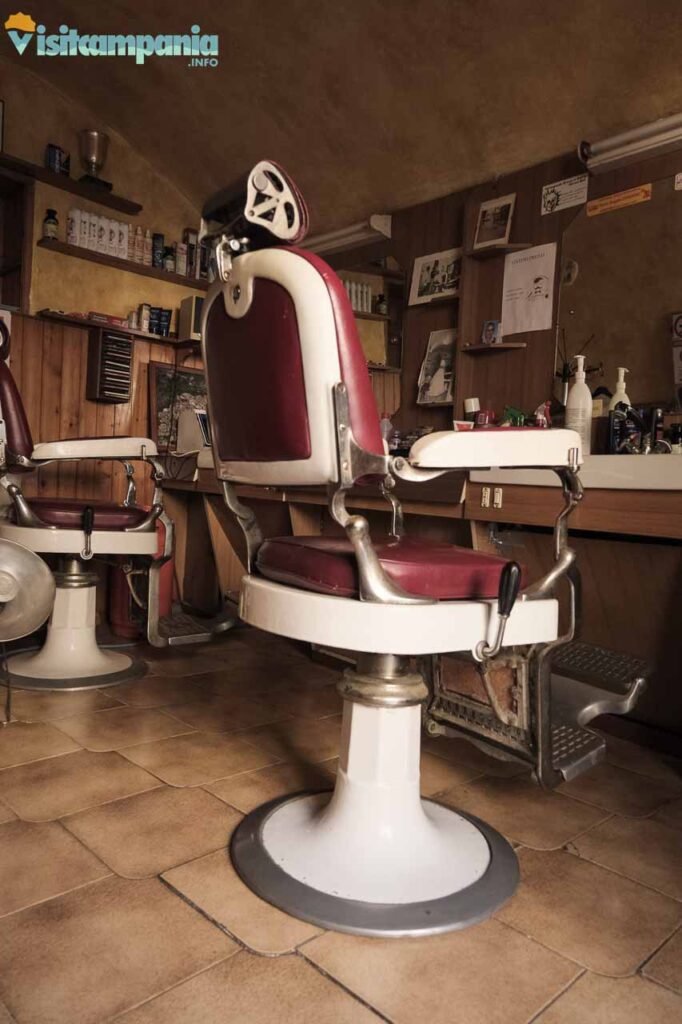
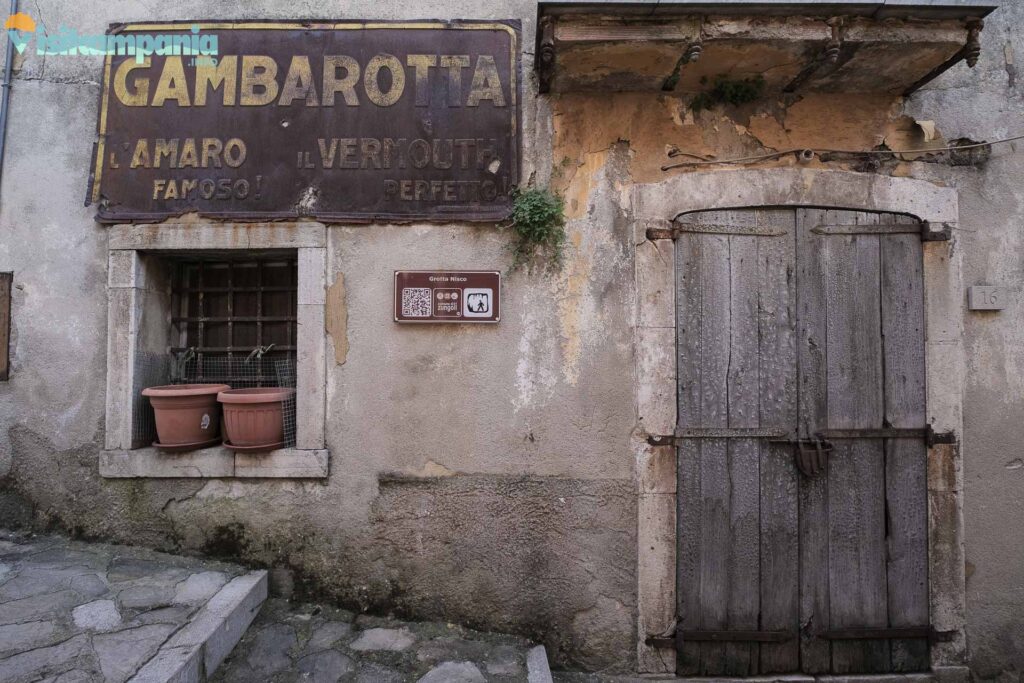
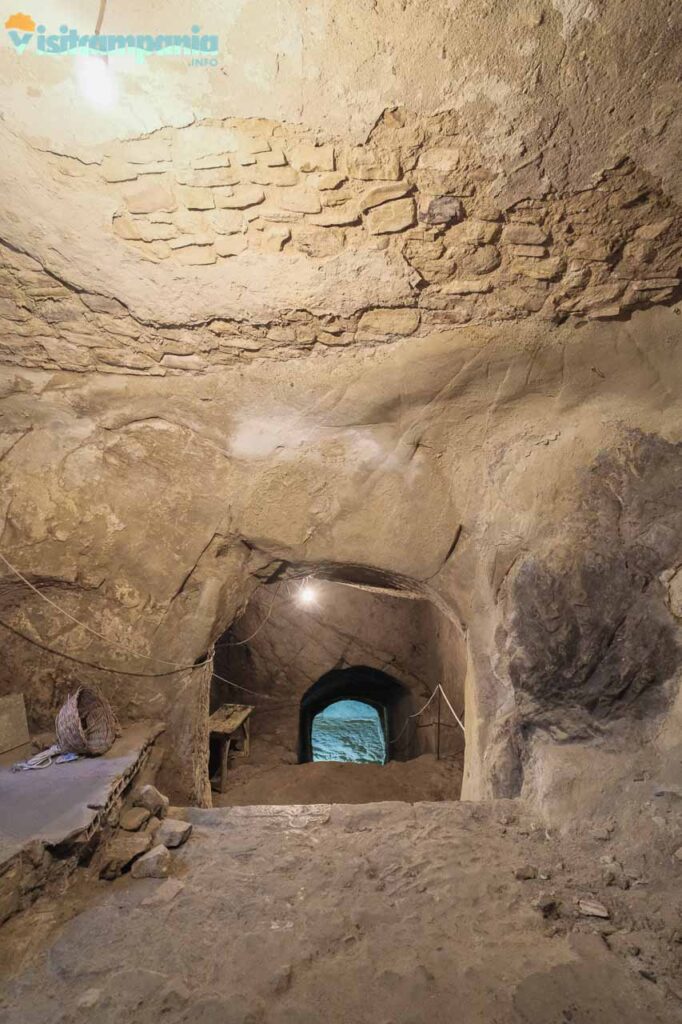
The houses are built of local stone, with simple facades and understated doorways. If you take a guided tour , you’ll also be able to visit an old dwelling , traditional commercial premises untouched by modernity , and the Byzantine cave , a cellar dug into the tuff beneath the houses.
Alongside the simpler houses are elegant noble palaces . These buildings tell the story of the town’s noble past. Among the most notable are the Castle , Palazzo Caputi , and Palazzo Iannuzzi . They feature elaborate portals, internal courtyards, and valuable architectural details.
The Castle
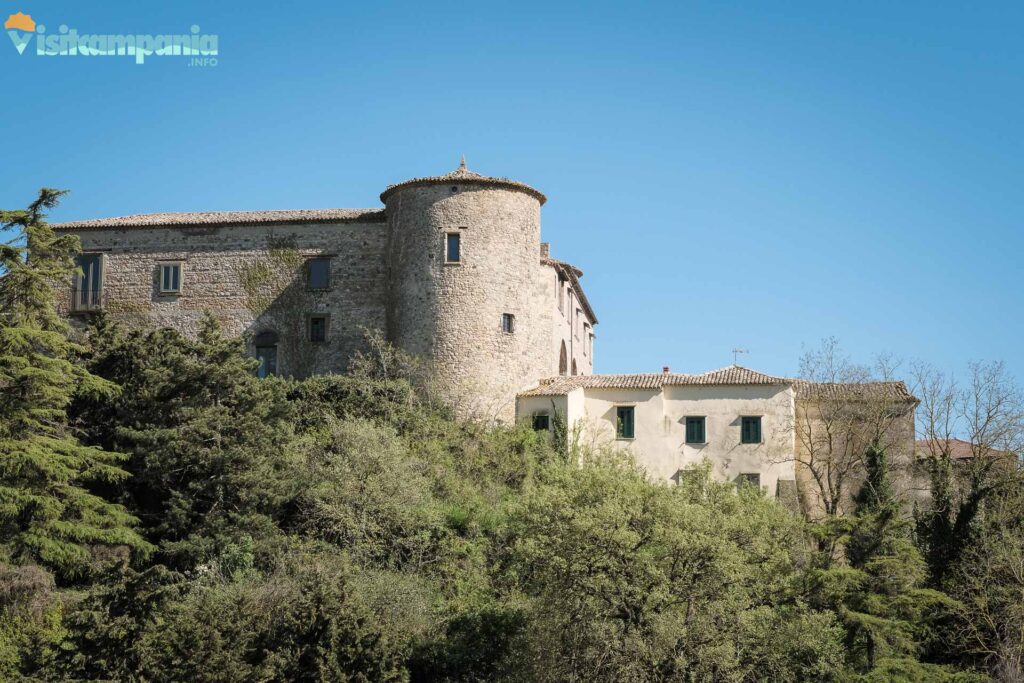
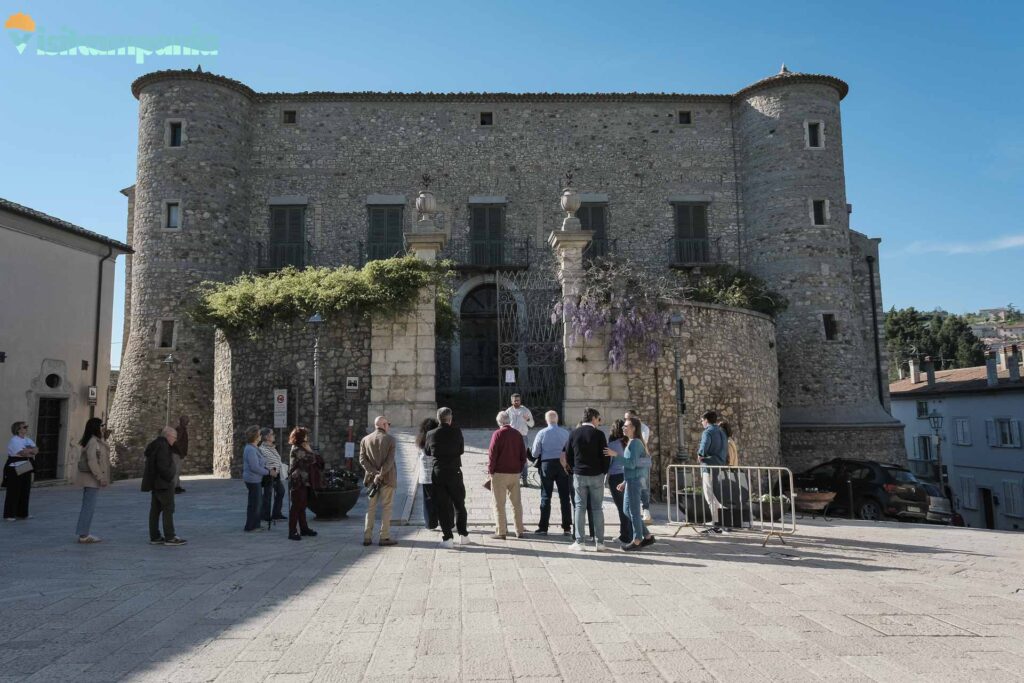
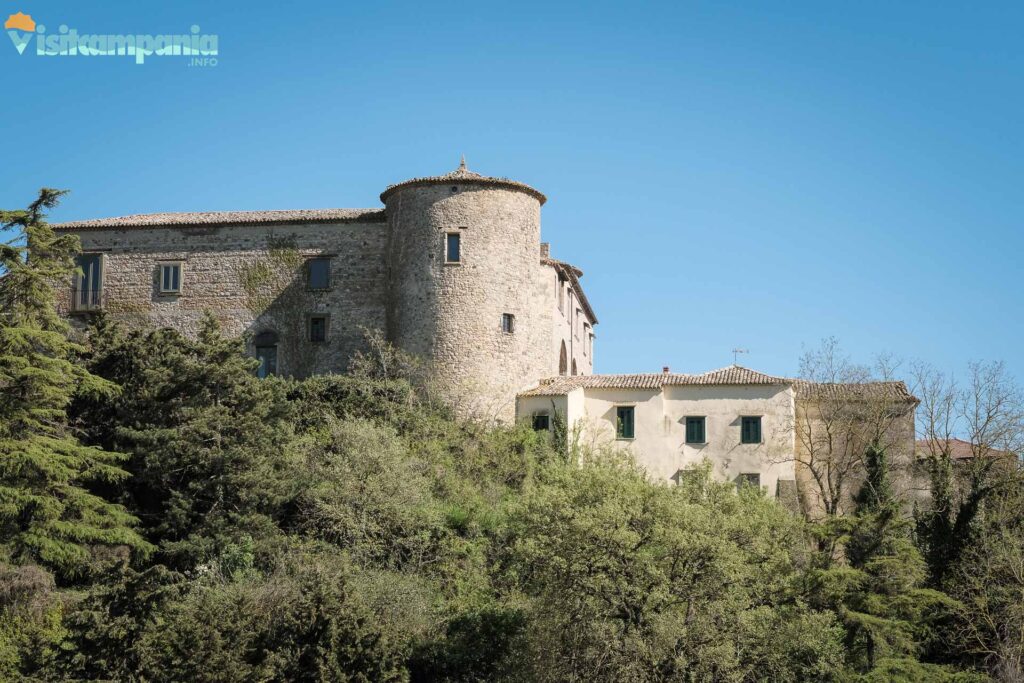
Zungoli Castle dominates the highest part of the village and is its most recognizable symbol . Its origins probably date back to the 11th century , during the Norman era, when the structure was built as a defensive garrison for the territory.
It originally had a square plan, with four cylindrical towers at the corners. One of these was destroyed in the 1456 earthquake. Today, three remain, retaining the austere appearance of a medieval fortress.
Until the Aragonese era, the castle maintained a defensive function . From the 16th century, under the Loffredo family, it began to be transformed into a noble residence . The military structure gave way to a more elegant building, also designed to house and represent the family’s prestige.
In 1825, the castle was purchased by the Susanna family, Marquises of Sant’Eligio . Since then, the connection with Zungoli has remained strong. The building still belongs to the family today , who preserve its memory and historical continuity.
It is accessible only by taking part in a guided tour .
Places of worship
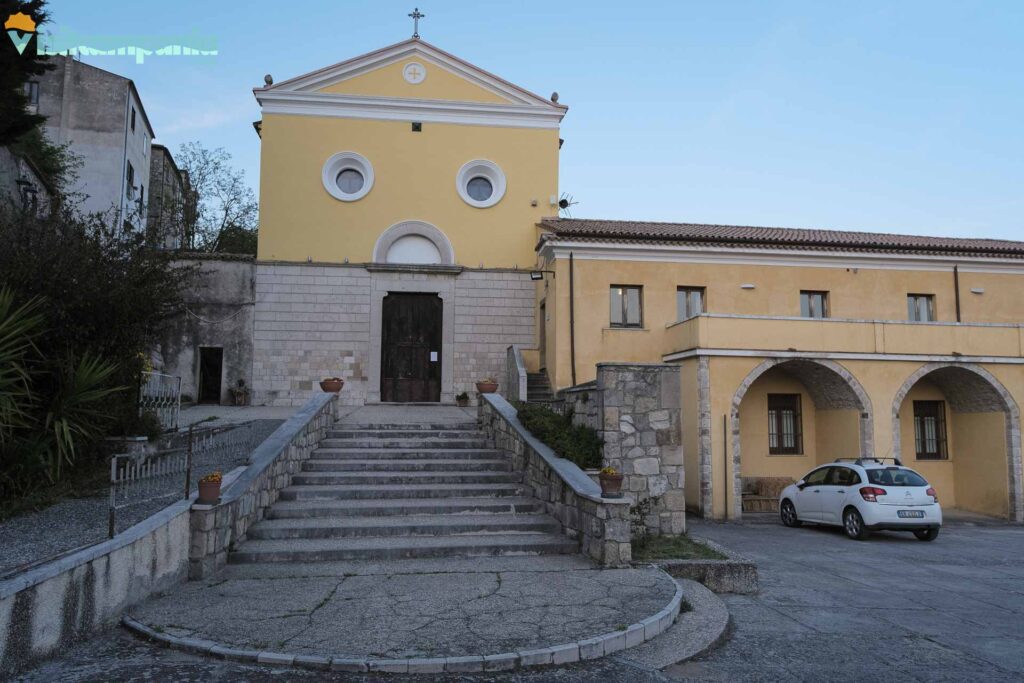
Religious testimonies are an integral part of Zungoli’s identity and tell the story of the village’s spiritual life over the centuries.
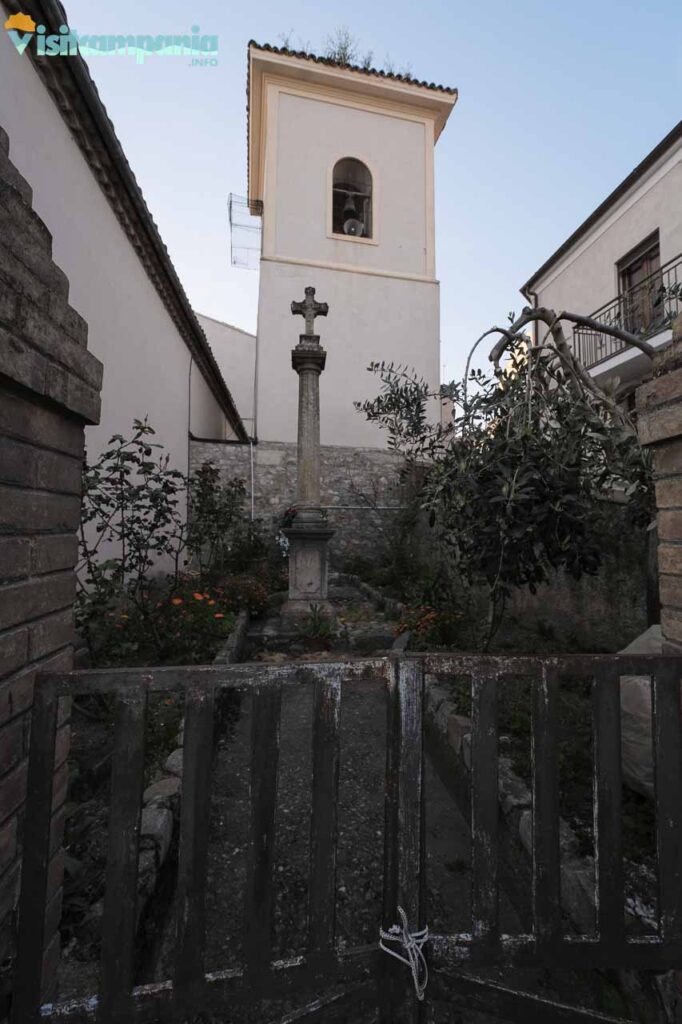
The Mother Church of Santa Maria Assunta is the main sacred building and stands in the heart of the historic center . The original structure dates back to the Middle Ages, but its current appearance is the result of subsequent interventions and renovations , which have modified its structure and decorations.
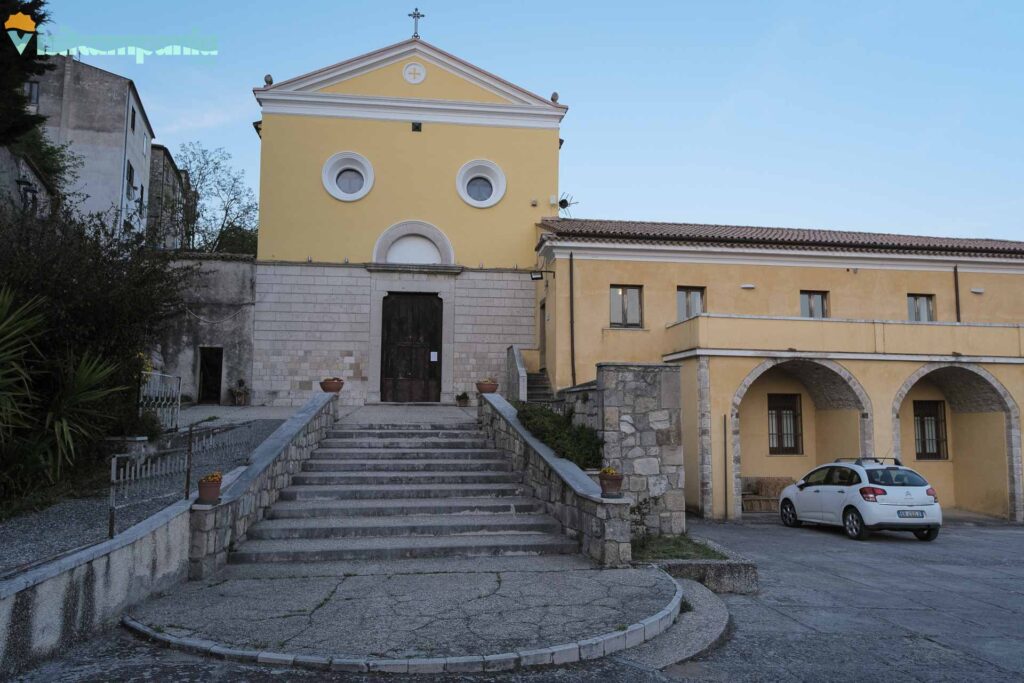
Just outside the center is the Convent of San Francesco , linked to the spread of the Franciscan order in Irpinia starting in the Middle Ages. Its more secluded location reflects the order’s tradition, oriented toward contemplation and simplicity. The complex still retains a simple character, consistent with the Franciscan style .
The Royal Tratturo Pescasseroli–Candela
The territory of Zungoli is crossed by the Regio Tratturo Pescasseroli-Candela , one of the main transhumance routes in Southern Italy ( a UNESCO Intangible Cultural Heritage site since 2019 ). This ancient route connected Abruzzo to Puglia, allowing the seasonal passage of flocks between mountains and plains .
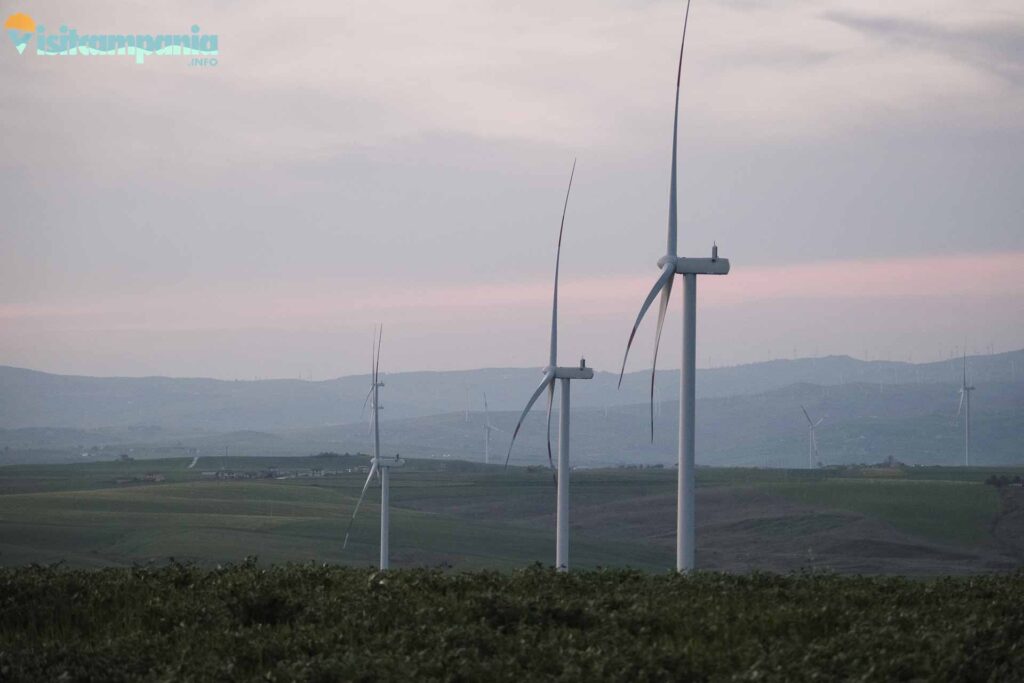
In the stretch that crosses the area, the sheep track is set in an open landscape, characterised by hills, cultivated fields and pastures , still linked to rural tradition.
Today some sections are being enhanced and can be explored on foot , offering the opportunity to explore inland Irpinia along itineraries of historical and naturalistic interest .
Typical food and wine
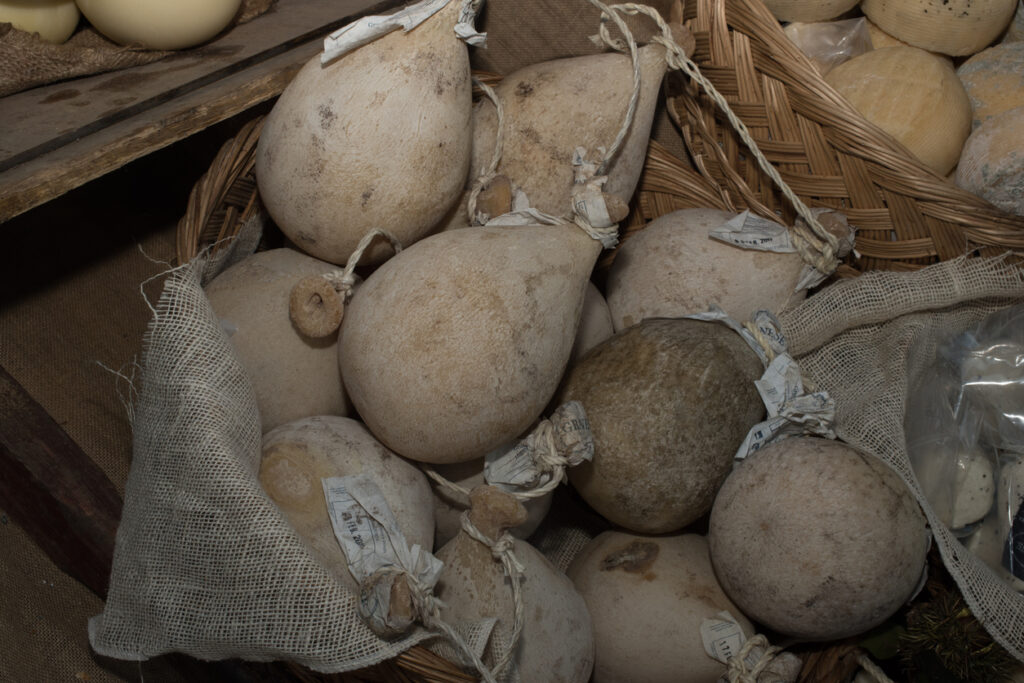
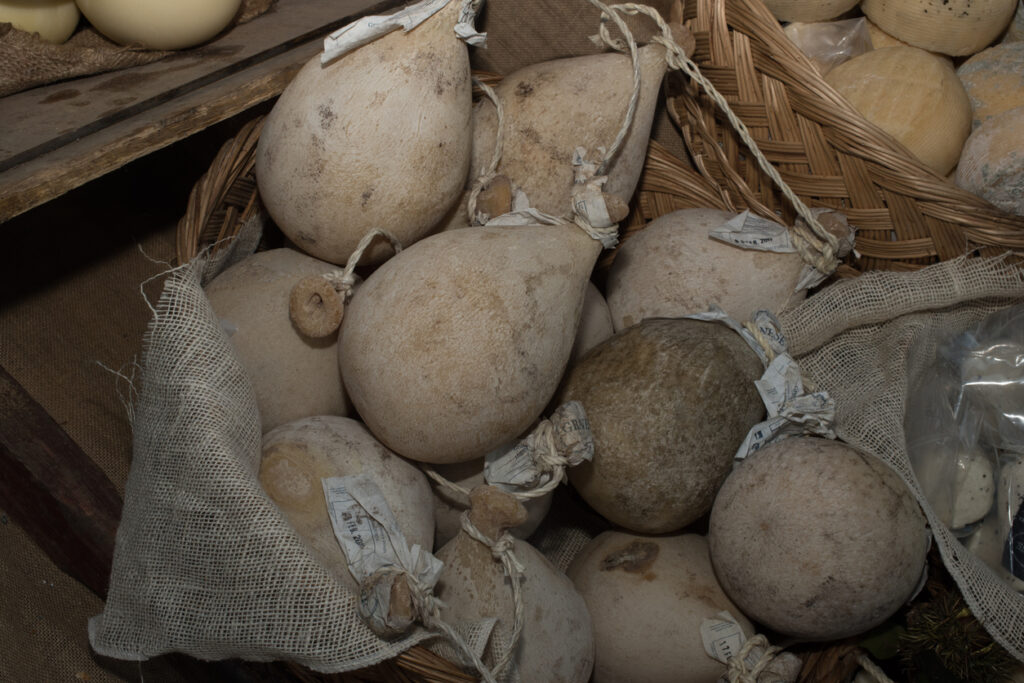
Caciocavallo Podolico is the symbol of Zungoli cuisine and has a unique characteristic: maturing in the tuff caves beneath the village, which gives it a bold, slightly spicy, and richly aromatic flavor. Alongside cheeses, the gastronomic tradition is rounded out with artisanal cured meats, such as soppressata , capicollo , and sausages , as well as slow-cooked lamb and pork dishes .
First courses remain the heart of the table, with handmade pasta like fusilli with meat sauce and cavatelli with broccoli . Extra virgin olive oil also plays a key role: Zungoli falls within the Irpinia – Colline dell’Ufita DOP area, where the Ravece cultivar predominates, producing an intensely flavored oil with notes of tomato and fresh grass and a balance between bitterness and spiciness.
Visiting Zungoli means discovering a village through its most authentic flavors. There’s no cuisine built for tourists, but rather a gastronomic heritage born from everyday life, from the pastures, olive groves, and caves of the historic center.
Holidays and events in Zungoli
The most heartfelt moment of the year is the patronal festival dedicated to Sant’Anna and San Crescenzio , which takes place in July and represents one of the most important events for the local community. It is the heart of Zungolese identity, with religious rites, processions, and celebrations that involve the entire town.
The Incoronata festival , linked to local religious devotion and generally held in April , also falls between spring and summer. It’s a more intimate yet deeply felt celebration, marking one of the first gatherings after winter.
During the summer, especially between July and August , the village often comes alive with festivals and events linked to its gastronomic tradition . Among these, the Zungolese Chicozza festival , a pumpkin dried and preserved using traditional methods, offers tastings and typical dishes linked to this peasant ingredient.
Even winter retains its charm , with more intimate events such as concerts and Christmas initiatives organised in the village, which contribute to creating a cozy and authentic atmosphere, far from the more crowded circuits.
Useful links
- Rai Kilimangiaro Campania – Zungoli (video)
- Rai TgR Zungoli competes for “The Village of Villages” (video)
- Rai TgR Zungoli takes on the “Borgo dei borghi” challenge (video)
- Rai TgR Zungoli, the third most beautiful village in Italy (video)
- Rai TgR: Zungoli’s Romantic Night (video)
- Rai TgR The Irpinia of Castles (video)
- Wikiloc Cammino della Restanza (Trekking App)